
Subscription, pricing and billing
Pricing models, plans and the mechanics of recurring billing.
13 terms
Freemium
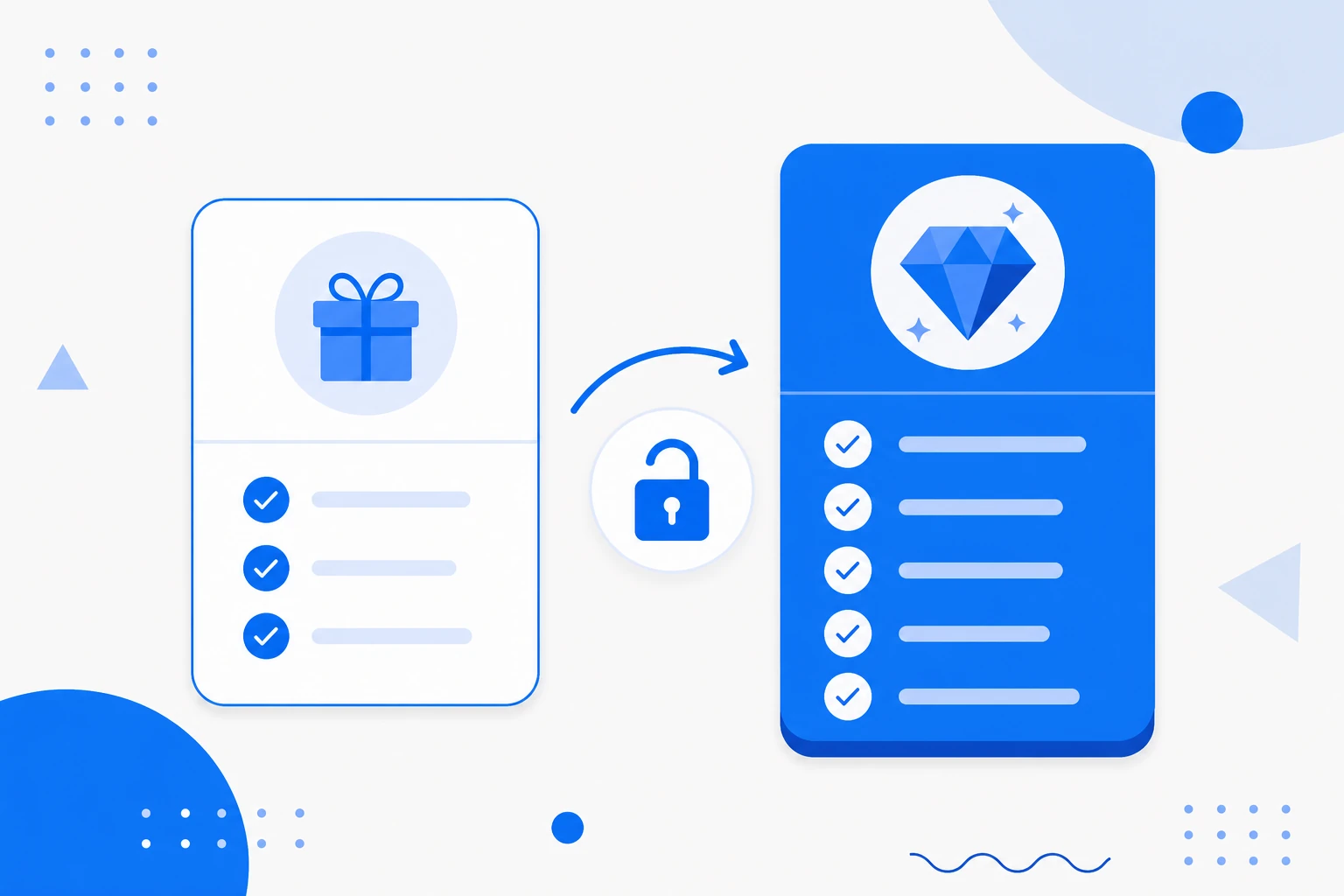
Freemium is a business model with a permanent free plan that never expires and gives access to a subset of features, plus paid plans that unlock the rest. It exists to attract users in bulk at low cost and convert a fraction of them, typically 2% to 5%, into paying customers. The challenge is offering a free tier useful enough to attract, yet limited enough to create a reason to pay.
Free trial
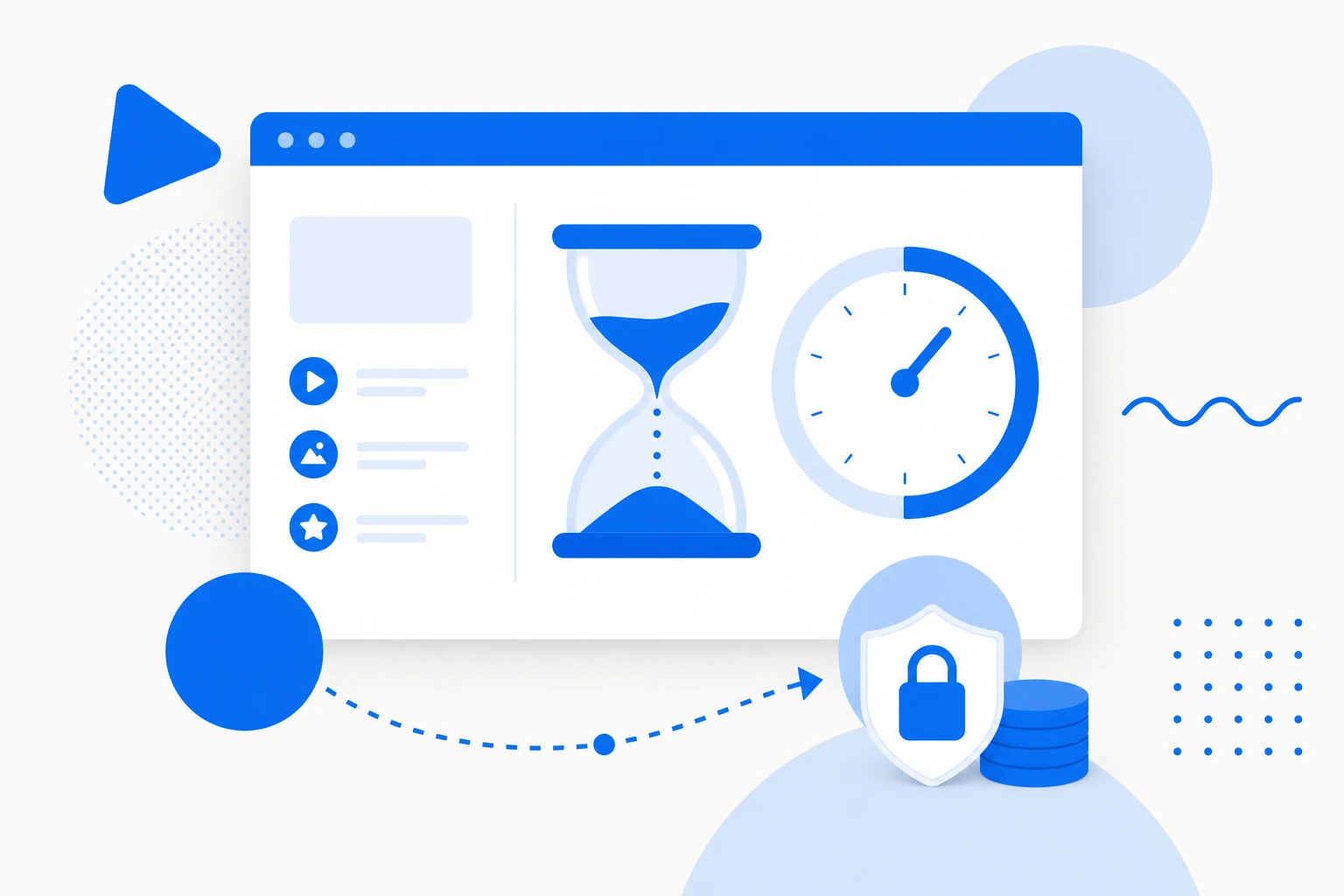
A free trial is time-limited, or usage-limited, access to a product so the user can experience its value before paying. Unlike freemium, which is free forever, a free trial has an expiry date and exists to prove the product and convert the user into a paying customer. It can be opt-in, with no card required, or opt-out, with a card at sign-up.
Reverse trial
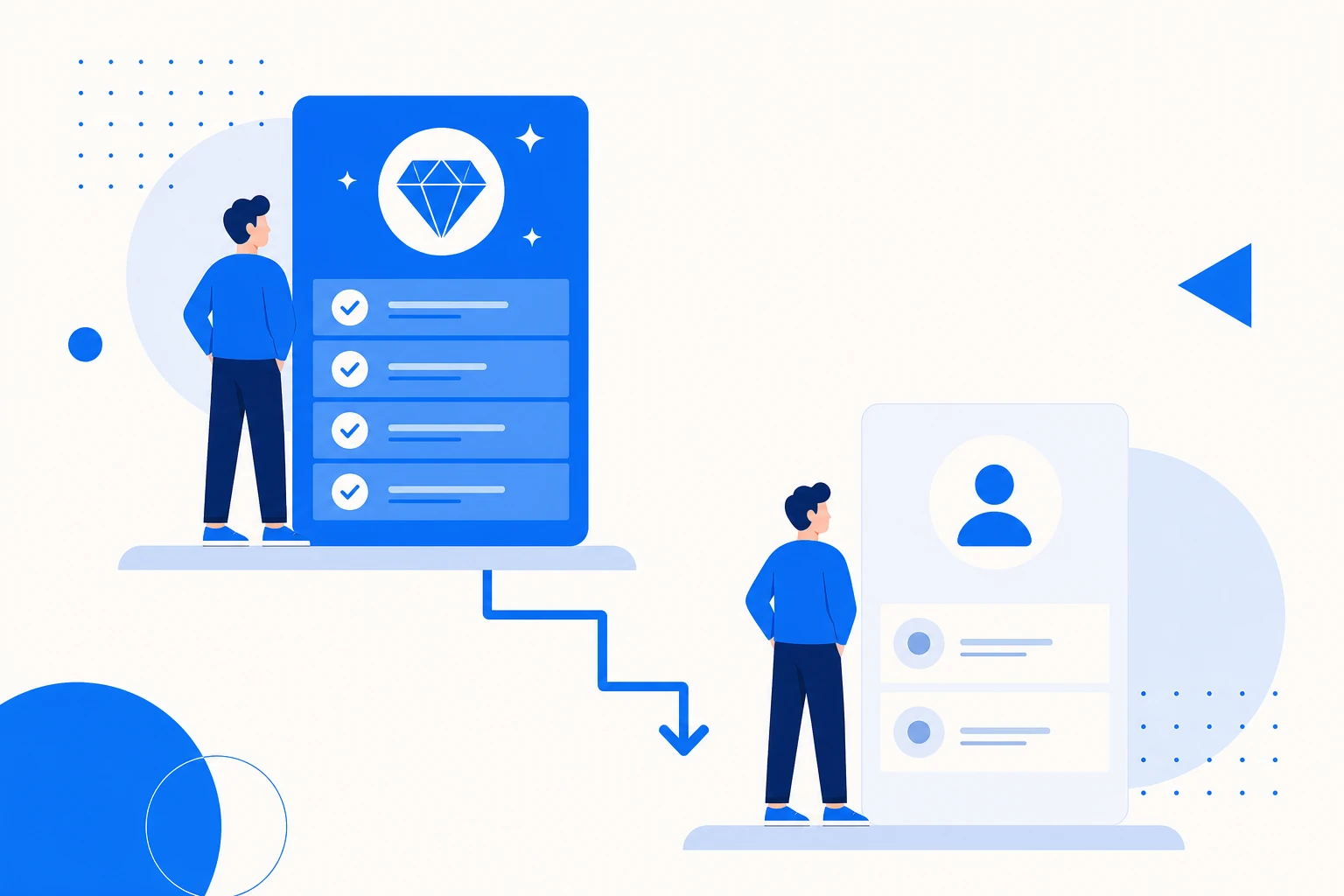
A reverse trial is a strategy in which the user starts with full access to the paid plan for a period and, when it ends, drops to a free plan if they do not convert, instead of losing everything. It combines the hook of a premium trial with the safety net of freemium: it shows the full value of the product and then creates longing for the paid features. It works best for products with a fast aha, where the user feels value in the first few days.

Value-based pricing
Value-based pricing sets the price from the value perceived and delivered to the customer, not from production cost nor only from what competitors charge. It anchors price to each segment willingness to pay, which tends to capture more revenue. It depends on understanding value per persona and choosing a good value metric.
Usage-based pricing
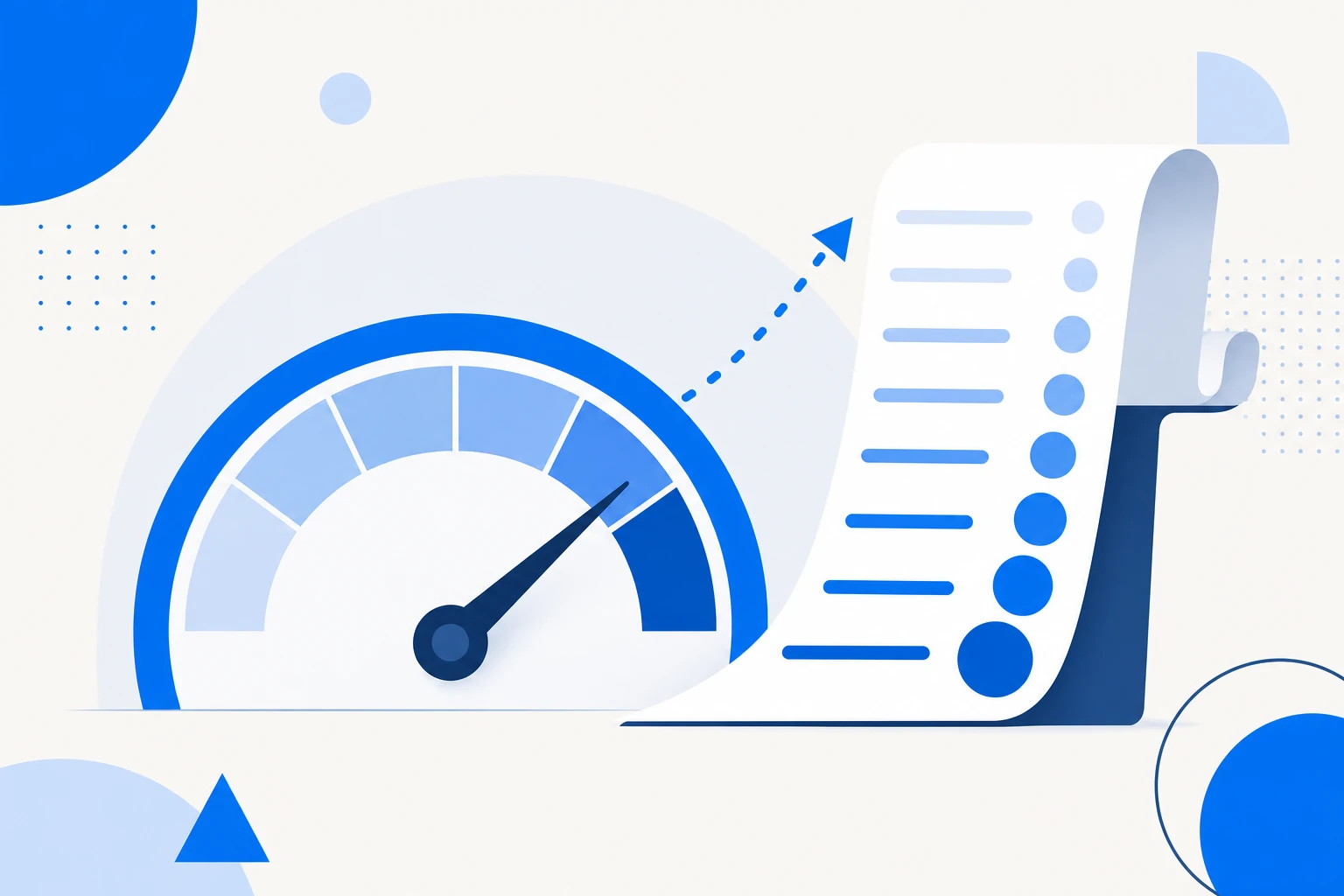
Usage-based pricing is the billing model where the bill grows as the customer consumes the product, measured by a usage metric such as API calls, gigabytes or events. It aligns cost with the value delivered and lowers the barrier to entry, but makes revenue less predictable. It can be pure, with no subscription, or hybrid, a base subscription plus usage overage.
Expansion
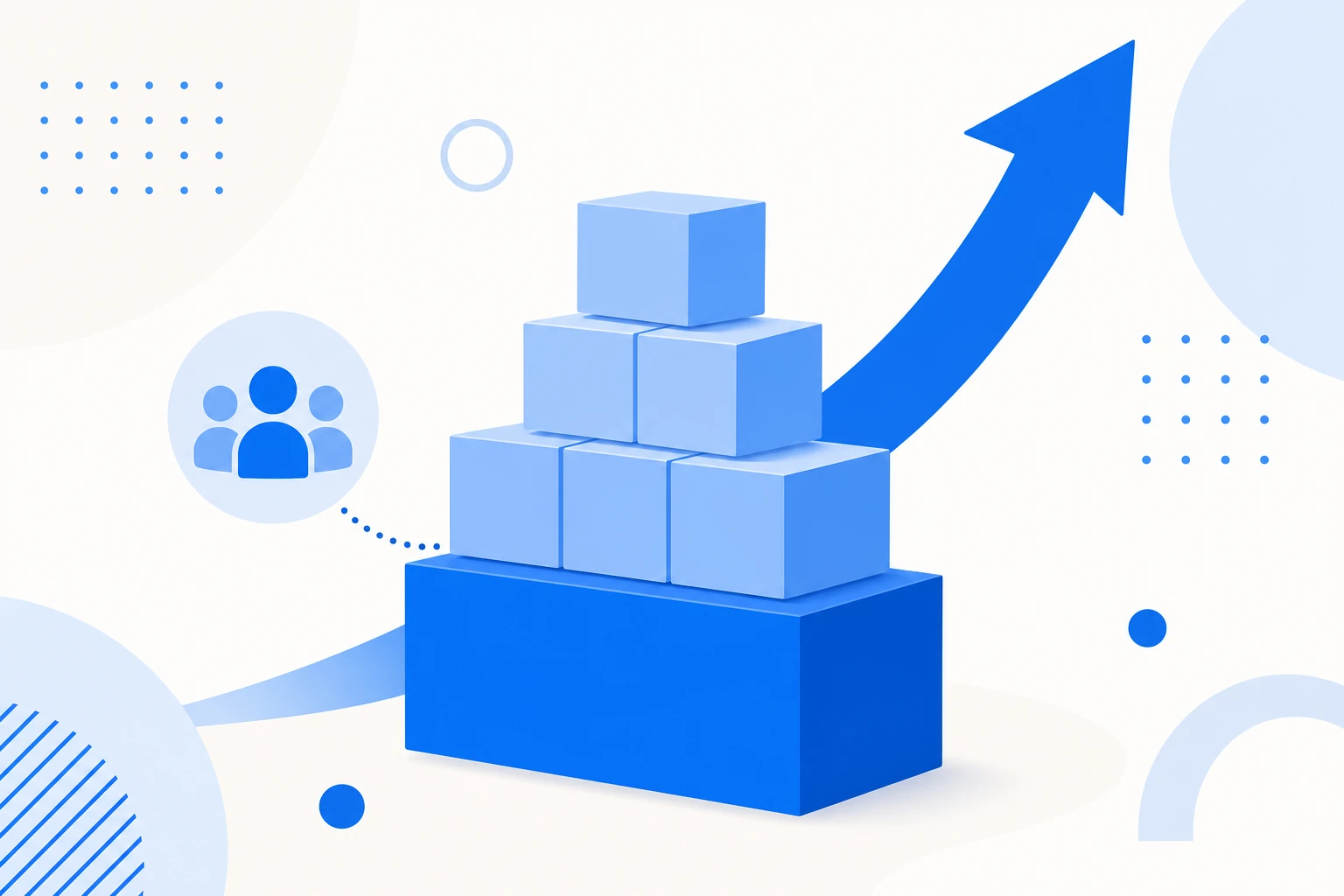
Expansion (expansion revenue or expansion MRR) is the additional recurring revenue that comes from customers you already have, without relying on new sales. It comes from upsell (higher plan), cross-sell (more products), add-ons and usage growth. It is the force that pushes net revenue retention above 100% and makes the base grow on its own.

Upsell
Upsell means moving a customer who already uses your product to a higher plan or more of the same product: more seats, a higher tier, a larger limit. It is one of the main drivers of expansion and of the revenue that pushes NRR above 100%. Unlike cross-sell, which sells a complementary product, upsell deepens the use of what the customer already bought.

Cross-sell
Cross-sell (cross-selling) is selling a customer who already uses one product a second, complementary product, module or add-on. It grows revenue per account and stickiness, because the more products a customer uses the more expensive it is to leave, all without a plan change. Together with upsell, it is one of the two levers of base expansion.
Add-on
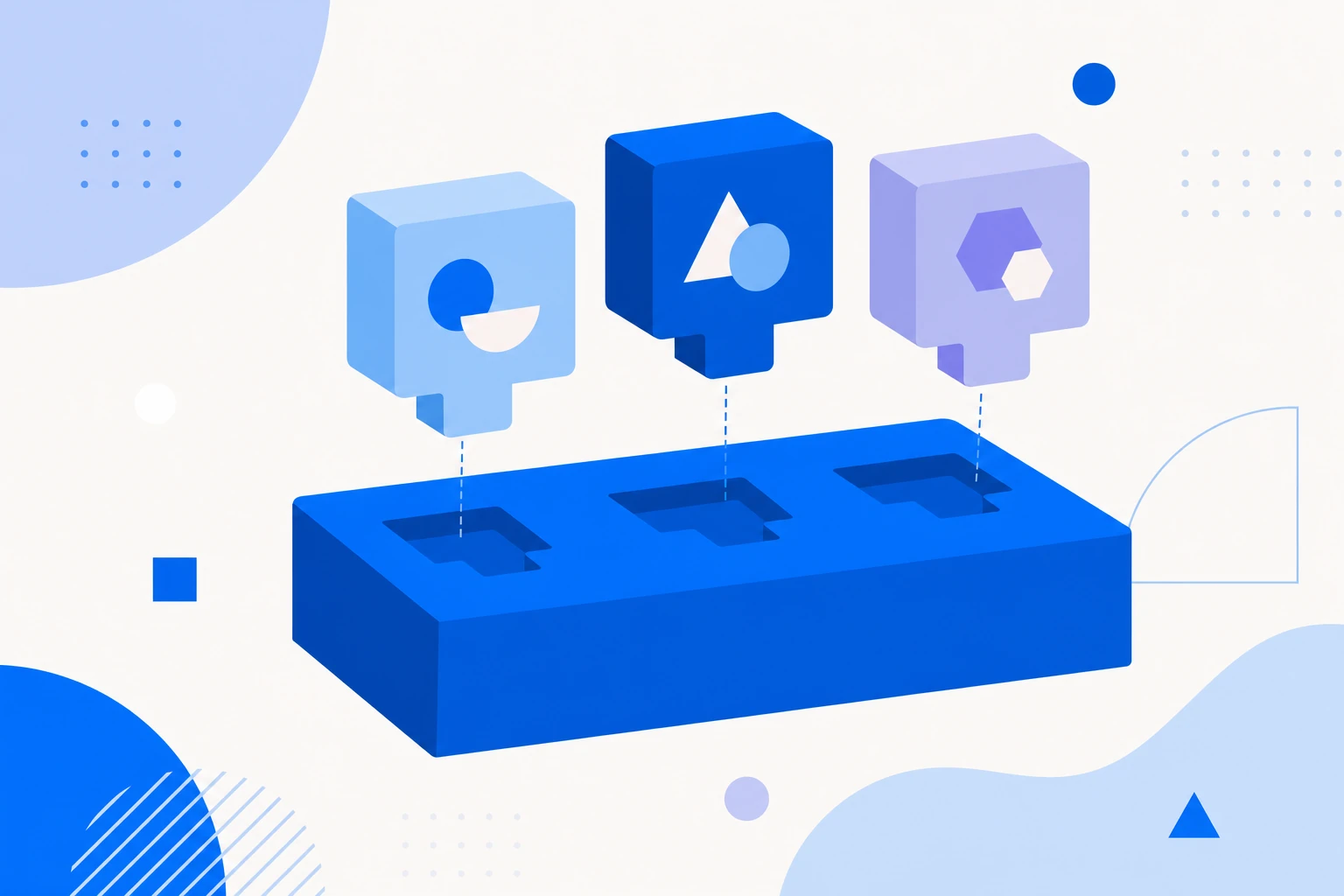
An add-on is a module, feature or capacity billed on top of a SaaS base plan: extra seats, more storage or a standalone premium feature. It works as a mechanism of expansion and modular pricing, where the customer assembles their own package and revenue per account grows without having to change plan.
Contraction
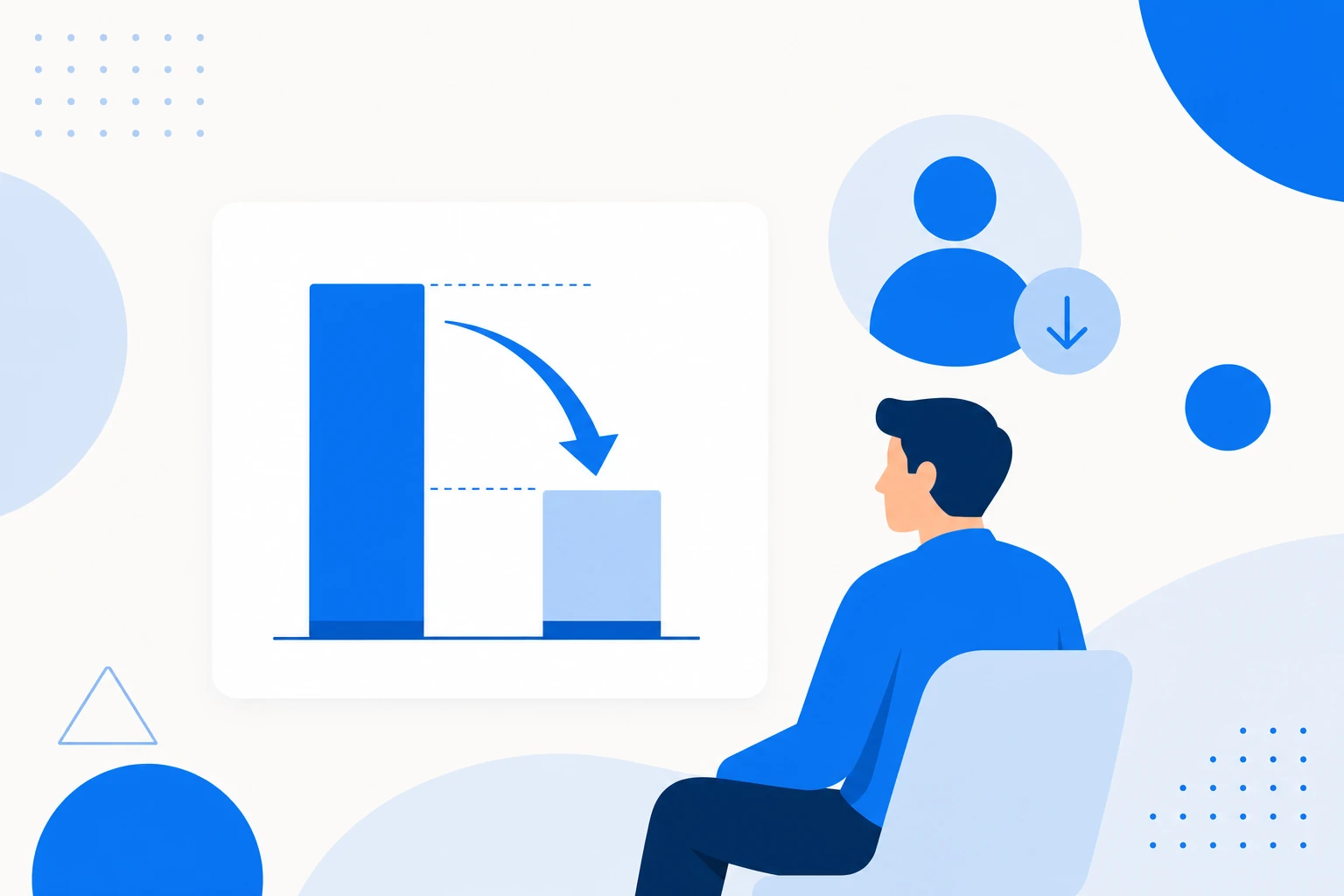
Contraction is the recurring revenue lost from customers who stay on your base but start paying less: a plan downgrade, fewer seats, a removed add-on. It is not churn, because the customer did not cancel, yet it still lowers MRR and drags net revenue retention down. It is one of the negative components of MRR movements.

Grandfathering
Grandfathering is the practice of keeping current customers on the old price or plan after a price increase or repackaging, while new customers move to the new terms. It reduces friction and churn in the short term, but it caps revenue and makes the base harder to manage over time. The alternative is migrating everyone with notice and incentives.
Payment gateway
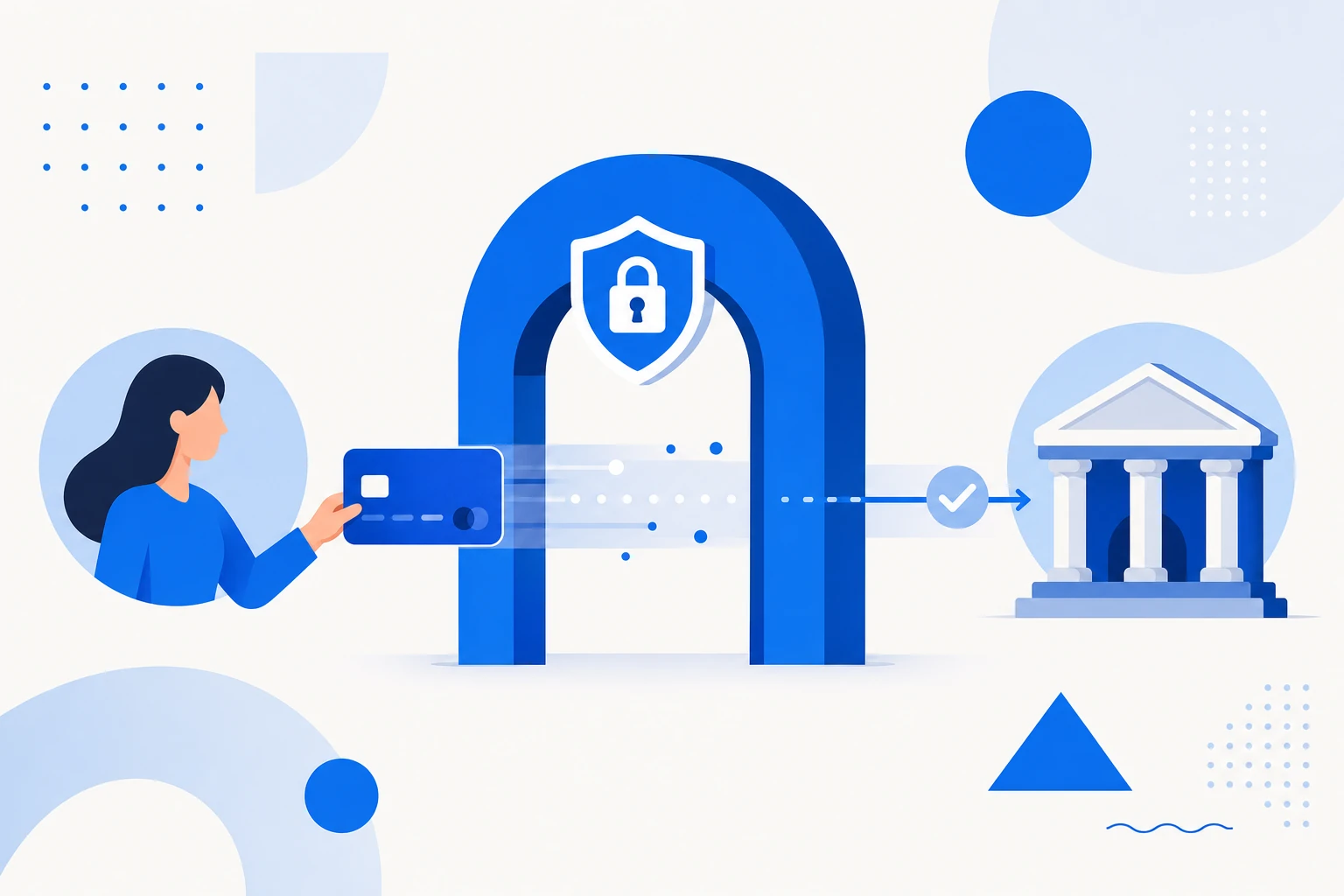
A payment gateway is the service that sits between the customer and the bank (or acquirer) and processes each charge: it authorizes the card, tokenizes the data so it never lives in your system, and retries payments that fail. In subscription SaaS, a good gateway with smart retries recovers declined charges and reduces involuntary churn. Stripe and Asaas are examples.
Chargeback
A chargeback is the forced reversal of a charge: the customer disputes the purchase with their bank or card network and the money goes back to them, undoing the sale. Beyond the lost revenue, the business also pays a fee to its acquirer and, if the chargeback rate climbs too high, risks restrictions on its account. It is a form of involuntary churn and, often, of fraud.