
Product Qualified Lead (PQL): what it is and why it converts more
By Tiago Costa · Updated on July 9, 2026

Definition
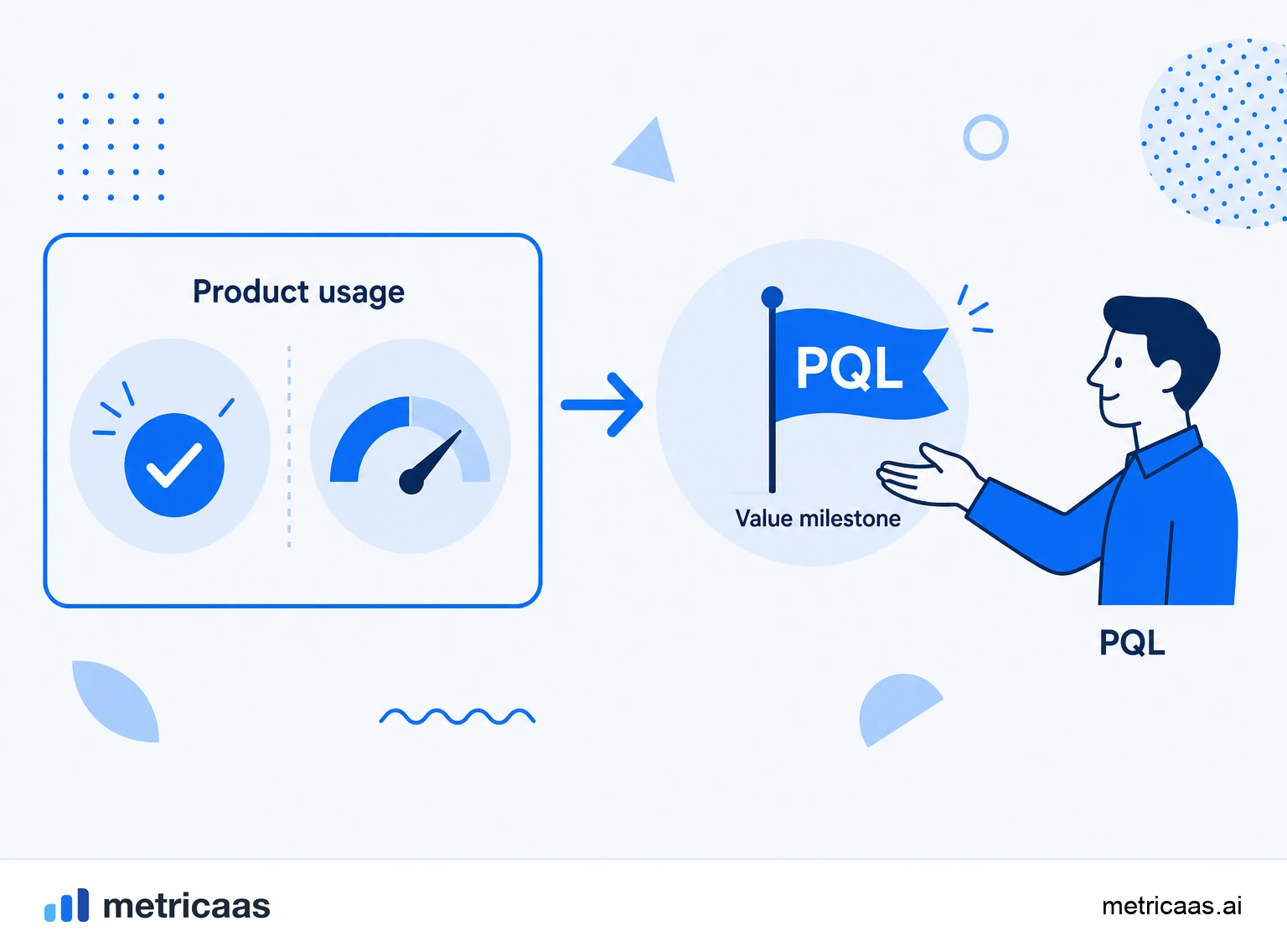
A Product Qualified Lead (PQL) is a lead qualified by product usage, not by marketing: someone who has already experienced value inside the tool.
- Qualified by real behavior, not by a form or a profile.
- Reached a value milestone: activated a feature or hit a usage limit.
- Converts far more than a lead qualified by marketing alone.
What a Product Qualified Lead (PQL) is
A Product Qualified Lead (PQL) is a person or account that has already used the product and shown, through behavior, that they found value in it. Instead of qualifying by a profile declared on a form, the PQL qualifies by what the user actually did: activated the core feature, invited teammates, processed real data or came close to a free plan limit. That usage signal is worth more than any stated intent, because it shows the tool is already solving a real problem.
The concept grew out of free trial and freemium models, where the product is the first salesperson. Someone who tries it and comes back, who invites colleagues and who bumps into a limit is saying, in practice, that they are ready to pay. Recognizing that moment, and acting on it, is what separates a PQL from any signup that has not touched the product yet.
PQL, MQL and SQL: why the PQL converts more
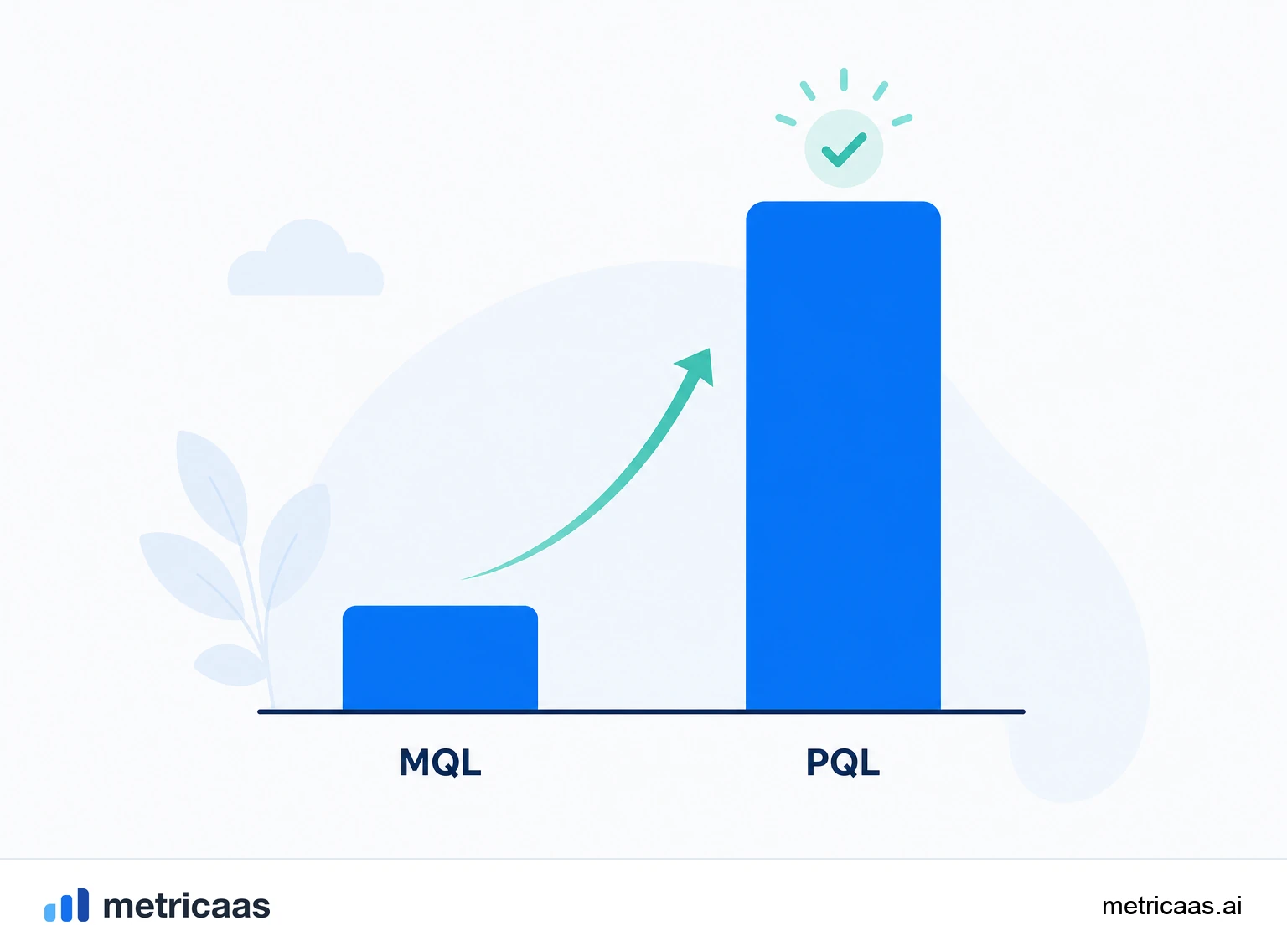
In the traditional funnel, marketing hands over an MQL / SQL: a lead qualified by profile and content engagement, such as downloading an asset or requesting a demo. It is a promise of interest. The PQL is different because it has already been through the experience: it did not say it might need the tool, it used it and came back. That is why the PQL usually converts far more than the MQL, with shorter sales cycles and less friction.
- MQL: qualified by profile and stated interest, before using the product.
- SQL: an MQL that sales accepted to work, still based on conversation.
- PQL: qualified by real usage and value already experienced inside the product.
This does not eliminate the MQL, but it changes the order. In product-led growth, the product delivers the ready lead and the sales team steps in to accelerate someone who has already proven intent, instead of trying to convince someone who only filled in a field.
How to define the PQL qualifying signal
Defining a PQL means choosing the signal that separates someone who merely signed up from someone who has already experienced value. That signal has to be specific, measurable and correlated with real conversion. The starting point is almost always the activation milestone: the moment the user takes the action that delivers the first value. That is why the Activation rate and the PQL definition tend to go together, since the same event that activates also qualifies.
A good method is to look backward: among customers who already paid, which behaviors in the trial or free plan preceded the purchase? It might be creating the third project, inviting two colleagues or processing a thousand records. That pattern becomes the PQL rule. It helps to combine two kinds of criteria:
- Fit signal: the profile matches the ideal customer, such as account size or industry.
- Usage signal: behavior shows value, such as frequency, depth of use or proximity to a limit.
Examples of usage triggers that create PQLs
Triggers vary by product, but almost all of them indicate that the user moved from curiosity to habit. What matters is that the trigger represents value delivered, not just loose clicks. Common examples of usage triggers:
- Hitting the usage limit of a free plan, such as number of projects, contacts or API calls.
- Inviting teammates, a clear sign that the tool became part of the workflow.
- Completing the core product action several times, such as sending campaigns, publishing reports or closing tasks.
- Integrating a data source or connecting another tool, which raises the switching cost.
- Returning to the product on several consecutive days within the trial period.
Not every trigger carries the same weight. Inviting the team and hitting a usage limit are usually stronger signals than a single long session. Ranking triggers by how well each one predicts a purchase helps prioritize who the sales team reaches first.
PQL, CAC and LTV: the native lead of product-led growth
The PQL is the centerpiece of product-led growth because it changes the economics of acquisition. When the product itself qualifies leads, the company relies less on paid media and cold outreach, which pushes CAC down. At the same time, someone arriving as a PQL has already experienced value, tends to retain better and to expand, which pulls LTV / CLV up. The combination of lower CAC and higher LTV is exactly what makes the product-led model attractive.
This acquisition efficiency has become a priority across the sector, as shown by the reference studies from Benchmarkit on SaaS growth and efficiency metrics. And the effect does not end at the sale: as SaaS Capital notes when analyzing retention rates of private SaaS companies, it is retention that sustains long-term value. PQLs, having already proven value, tend to feed that retained base.
Common mistakes when working with PQLs
The most common mistake is calling anyone who signed up a PQL. A signup with no usage is not a PQL, it is a product MQL at best. If the qualifying signal is loose, the sales team gets an inflated list, reaches people who never experienced value, and the conversion the model promises never shows up.
Other frequent slips:
- Choosing a trigger that does not correlate with purchase, measuring vanity instead of intent.
- Setting the milestone too early, turning almost every signup into a PQL, or too late, missing the contact window.
- Not revisiting the PQL rule as the product evolves and new features enter the value flow.
- Handing the PQL to sales without usage context, wasting the model biggest advantage: knowing exactly what the person already did.
Frequently asked questions
It is a lead qualified by usage of the product itself, not by marketing or sales. It reached a value milestone inside the tool, such as activating a feature or hitting a usage limit, signaling real buying intent.
An MQL is qualified by profile and stated interest, before using the product. A PQL has already experienced value using the tool. That is why the PQL usually converts far more and has shorter sales cycles.
By looking at customers who already paid and identifying which trial behaviors preceded the purchase. That pattern, such as creating the third project or inviting colleagues, becomes the PQL rule, usually tied to the activation milestone.
A user who hit the free plan limit, invited the team, completed the core product action several times or integrated a data source. These are usage triggers that show value delivered, not just a signup.
Because they have already experienced value inside the product, rather than only stating interest. Real usage is a much stronger intent signal, which reduces friction, shortens the sales cycle and improves conversion.
It works best in products with a free trial or freemium, where the user experiences value before buying. In purely sales-led motions the product signal is weaker, so the PQL tends to complement the MQL rather than replace it.
Related concepts
MQL / SQL
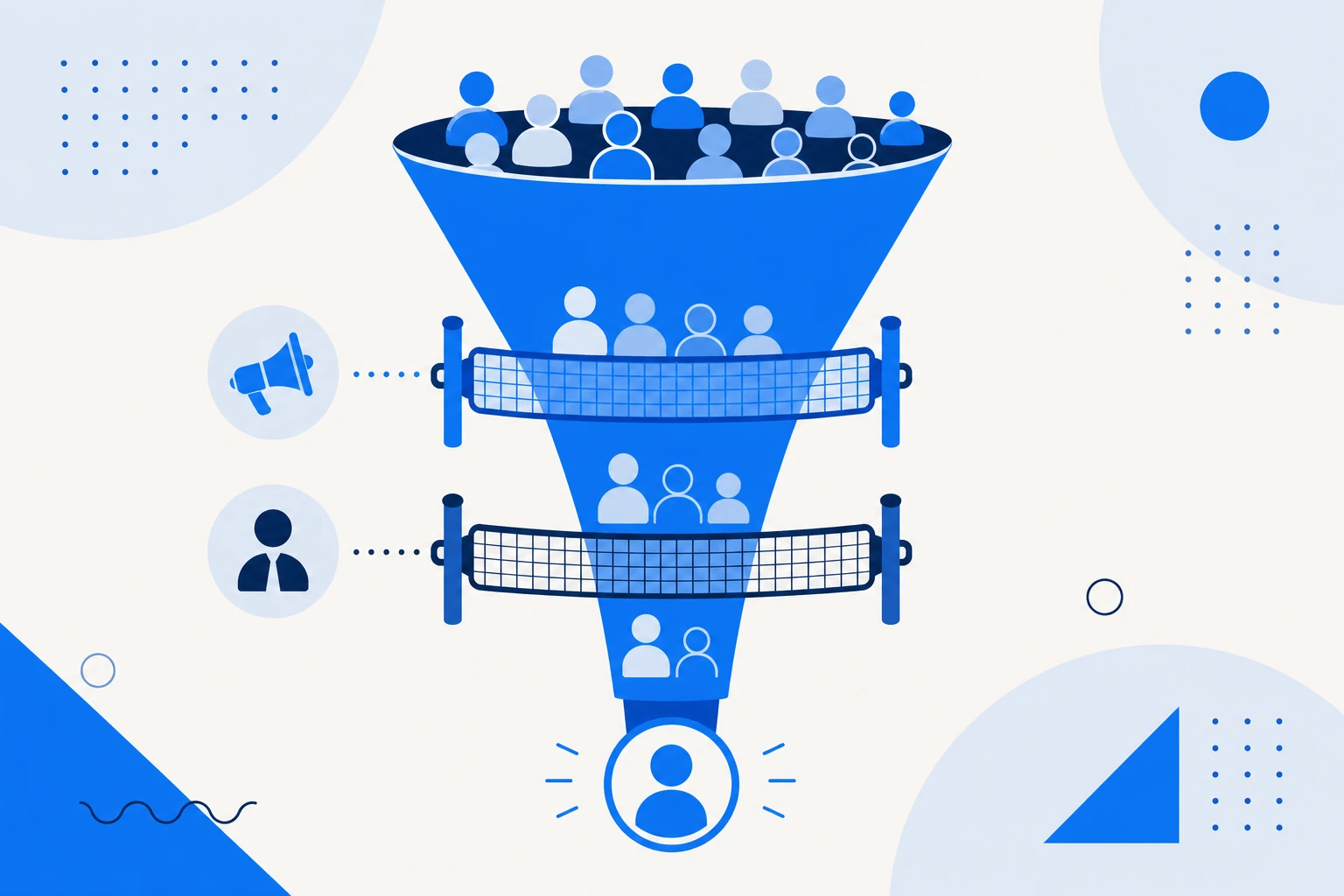
MQL (Marketing Qualified Lead) is the lead that marketing has qualified as interested enough to pass to sales; SQL (Sales Qualified Lead) is the lead that sales has validated as a real opportunity. They are successive stages of qualification in the funnel (Lead, MQL, SQL, Opportunity), and the MQL to SQL conversion rate measures alignment between the two teams.

Activation rate
Activation rate is the share of new users who reach the product first real value (the aha moment or setup milestone) within a defined time frame. It is the bridge between acquisition and retention: those who activate tend to stay, those who do not tend to churn. That makes it one of the strongest predictors of retention and the silent bottleneck of trial conversion in SaaS.

CAC
CAC (Customer Acquisition Cost) is how much, on average, you spend to win a new customer. Add up everything invested in marketing and sales over a period and divide by the number of new customers who came in during that period. It is the metric that tells you whether your growth is economically healthy.