
CAC: what customer acquisition cost is and how to calculate it
By Tiago Costa · Updated on July 9, 2026
Definition
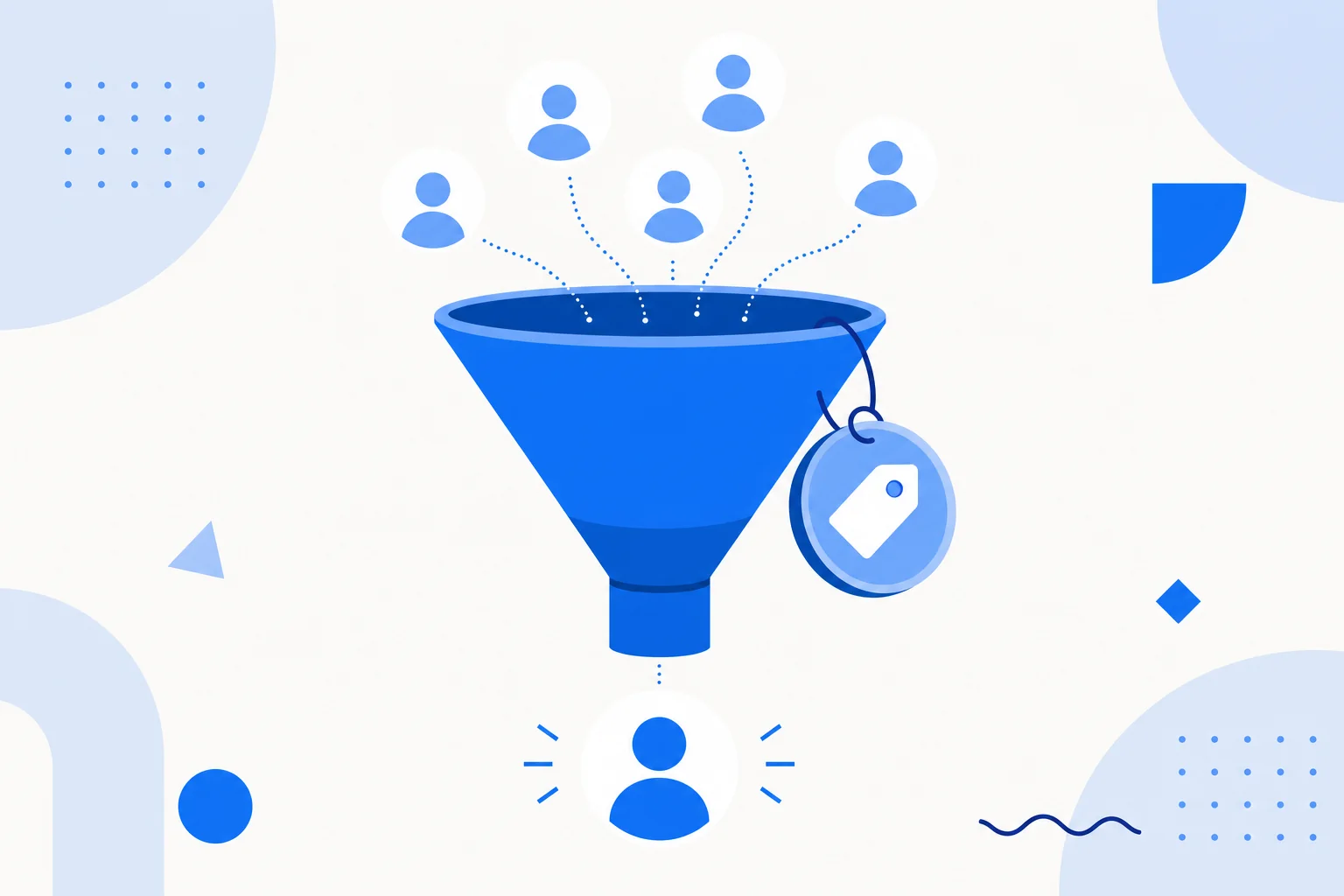
CAC (Customer Acquisition Cost) is the average cost to win a new customer.
- Add up marketing and sales spend for the period.
- Divide by the number of new customers in the same period.
- Always read it alongside LTV.
What CAC is
CAC shows how much it costs, on average, to bring a customer in. It gathers salaries, paid media, tools and commissions, everything that drives acquisition, divided by the customers who actually joined.
It is the metric that separates healthy growth from growth at any cost. Two companies can grow the same revenue in a month; the one spending less to win each customer has a sustainable engine, the other is buying revenue that may never pay itself back.
How to calculate CAC
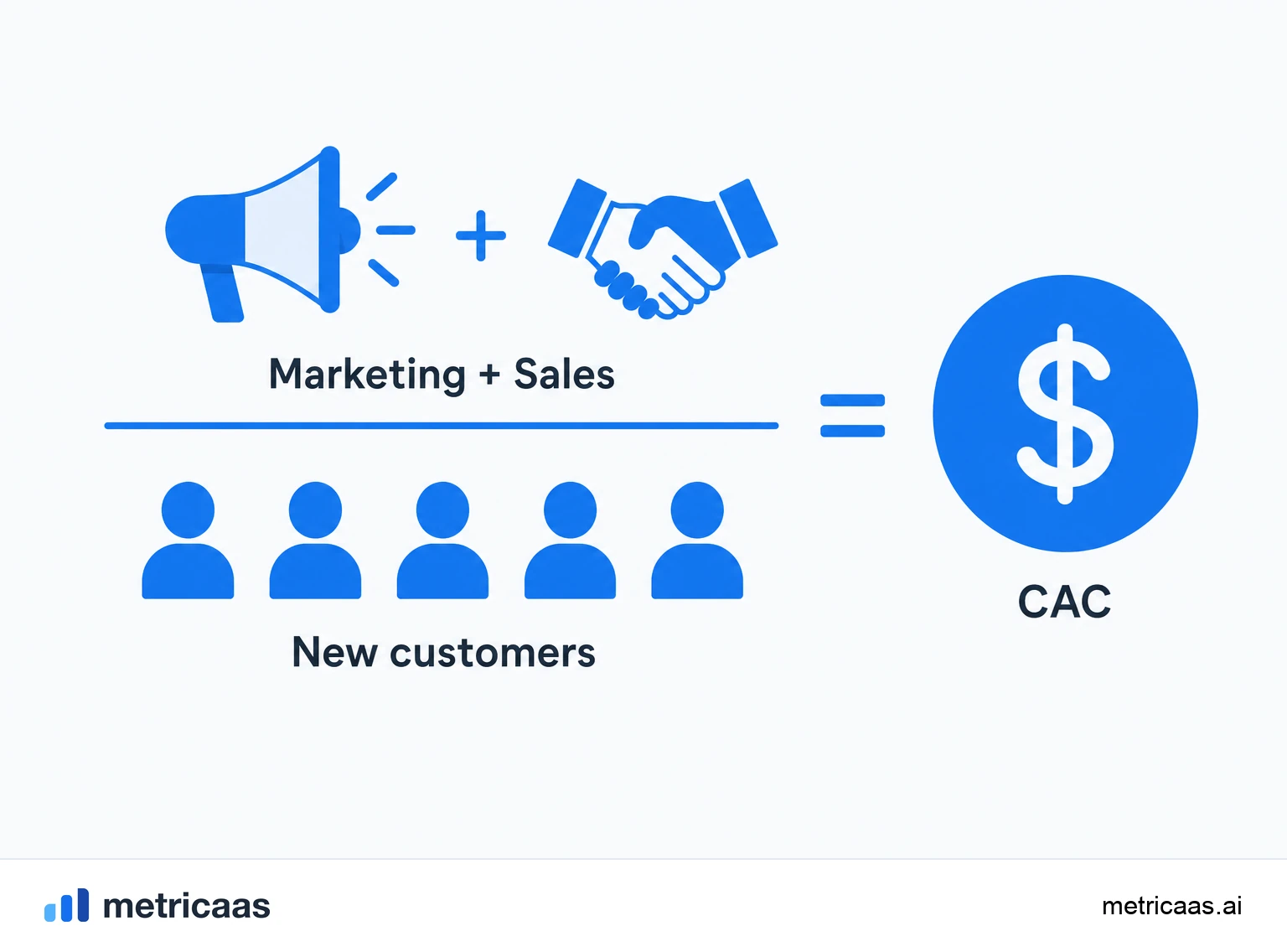
Add up total marketing and sales investment over a period and divide by the number of new customers won in that same period.
- Include paid media, marketing and sales team salaries, commissions and tools.
- Use the same period for cost and for new customers.
- Do not mix in retention or support costs, which are not acquisition.
Example: if you spent $50k on marketing and sales in a month and won 25 new customers, CAC is $2,000. The care is in counting the full cost, not just media: leaving out salaries and commissions makes CAC look far smaller than it is.
Paid, blended and organic CAC
Not every customer costs the same, and lumping everything into one number hides that. It pays to separate:
- Blended CAC: all cost divided by all new customers, including organic ones.
- Paid CAC: only paid-channel cost divided by the customers who came from them.
Blended CAC looks great when many customers arrive free through organic, but it misleads when you scale: when you raise spend, paid CAC is what rules. Watching both avoids the surprise of seeing cost spike as soon as acquisition leans more on media.
CAC payback: how long the customer pays itself back
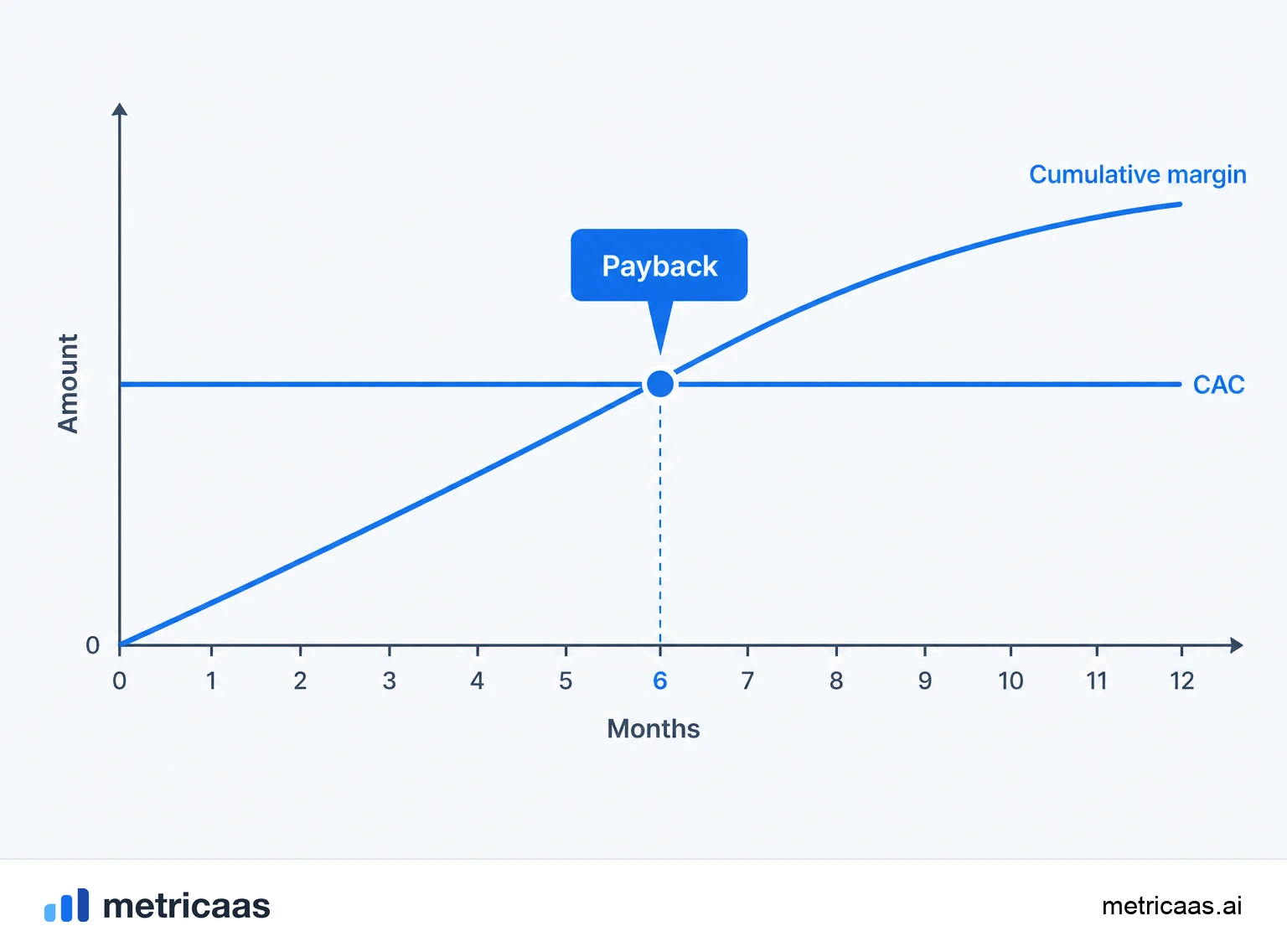
CAC is not just any expense: it is an investment the customer returns over time. CAC payback measures how many months of recurring margin it takes to recover what you spent to win that customer.
The classic rule, popularized by David Skok, said payback should stay under 12 months. In practice, the number varies a lot with contract size: according to Benchmarkit, the industry median payback was around 18 months in 2024, ranging from about 9 months in low-ticket products (up to $5k a year) to 24 months in contracts above $100k. A larger deal justifies a longer payback, as long as retention keeps up.
LTV and CAC: the ratio that matters
CAC on its own does not tell you whether it is good or bad. It only makes sense compared to the value a customer generates, the LTV. The ratio between the two is the compass of acquisition economics.
The David Skok benchmark is well known: an LTV to CAC ratio above 3 to 1 usually signals a healthy business. Below that, you spend too much for the return each customer brings; far above, you may be underinvesting and leaving growth on the table. And because LTV depends on lifetime, reducing churn improves this ratio without spending a cent more on acquisition.
How to reduce CAC in practice
Reducing CAC is almost never cutting media; it is making each dollar bring more customers. Where to work:
- Improve funnel conversion: the same budget bringing more customers lowers CAC directly.
- Invest in organic channels and referrals, which lower blended CAC over time.
- Refine targeting: attracting the right customer reduces the cost per customer who stays.
- Mind Net Revenue Retention: when the base expands on its own, you depend less on paid acquisition to grow.
In the end, CAC does not live alone. It is one leg of unit economics, and only makes sense next to LTV, payback and the retention that keeps the customer long enough to pay itself back.
Frequently asked questions
CAC is the average cost to acquire a new customer, all marketing and sales investment divided by the new customers in the period.
By dividing total marketing and sales investment in a period by the number of new customers won in that period. $50k over 25 customers is a CAC of $2,000.
Paid media, marketing and sales team salaries, commissions and tools tied to acquisition. Support and retention costs are left out.
It is the time, in months of recurring margin, a customer takes to generate enough revenue to cover the CAC. It varies with deal size, from about 9 to over 24 months.
LTV measures the value a customer generates; comparing LTV and CAC shows whether acquisition pays off. A ratio above 3 to 1 usually signals a healthy business.
There is no absolute number: a CAC is good when the customer is worth far more than it cost. In practice, aim for an LTV to CAC ratio above 3 to 1 and a payback that fits inside the customer lifetime.
Related concepts
LTV / CLV
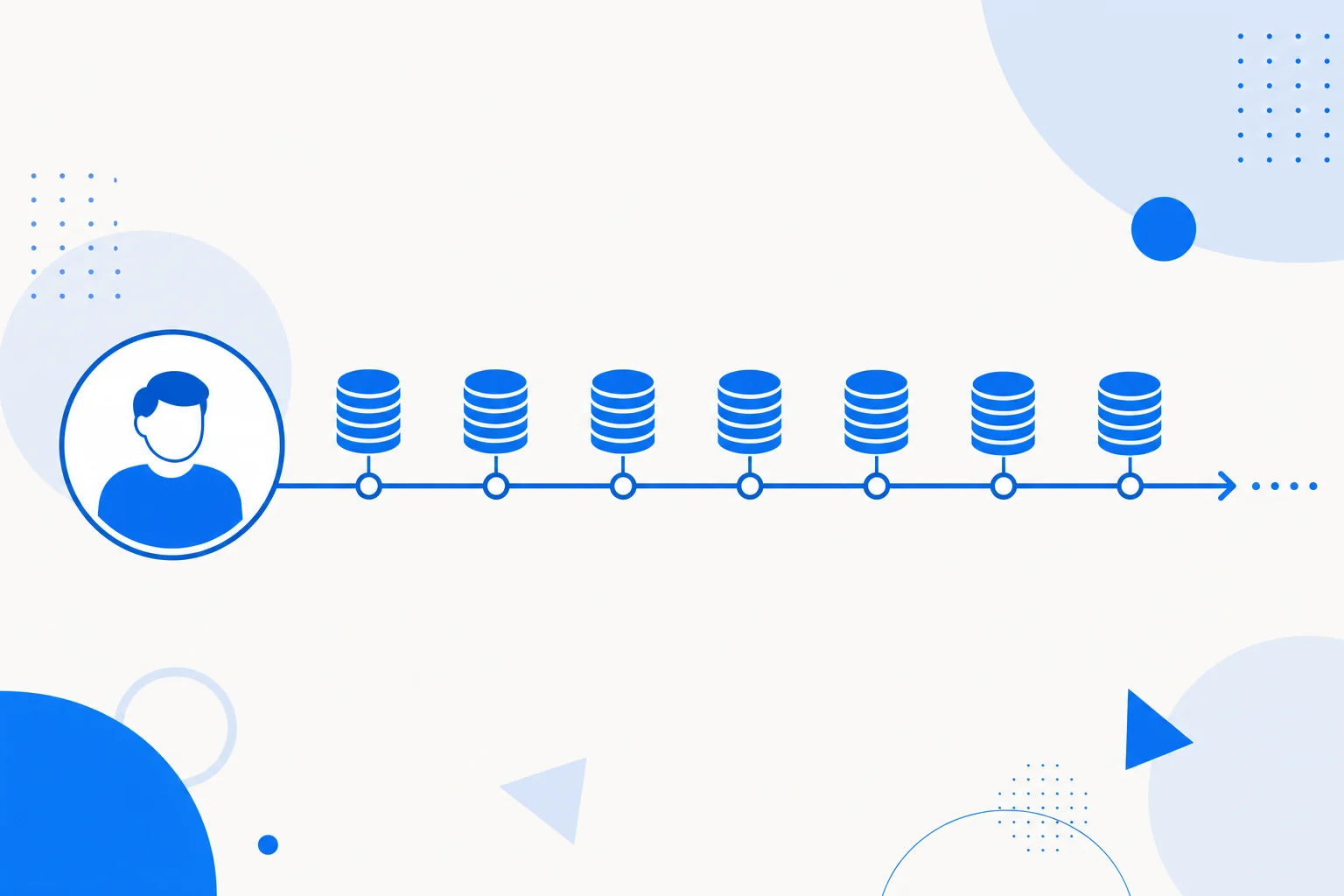
LTV (Lifetime Value), also called CLV or CLTV, is the total value a customer generates while they stay in your base. In a simple form, it is the recurring average revenue times margin times the customer lifetime. It is the metric that shows how much it is worth investing to win and keep each customer.
CAC payback
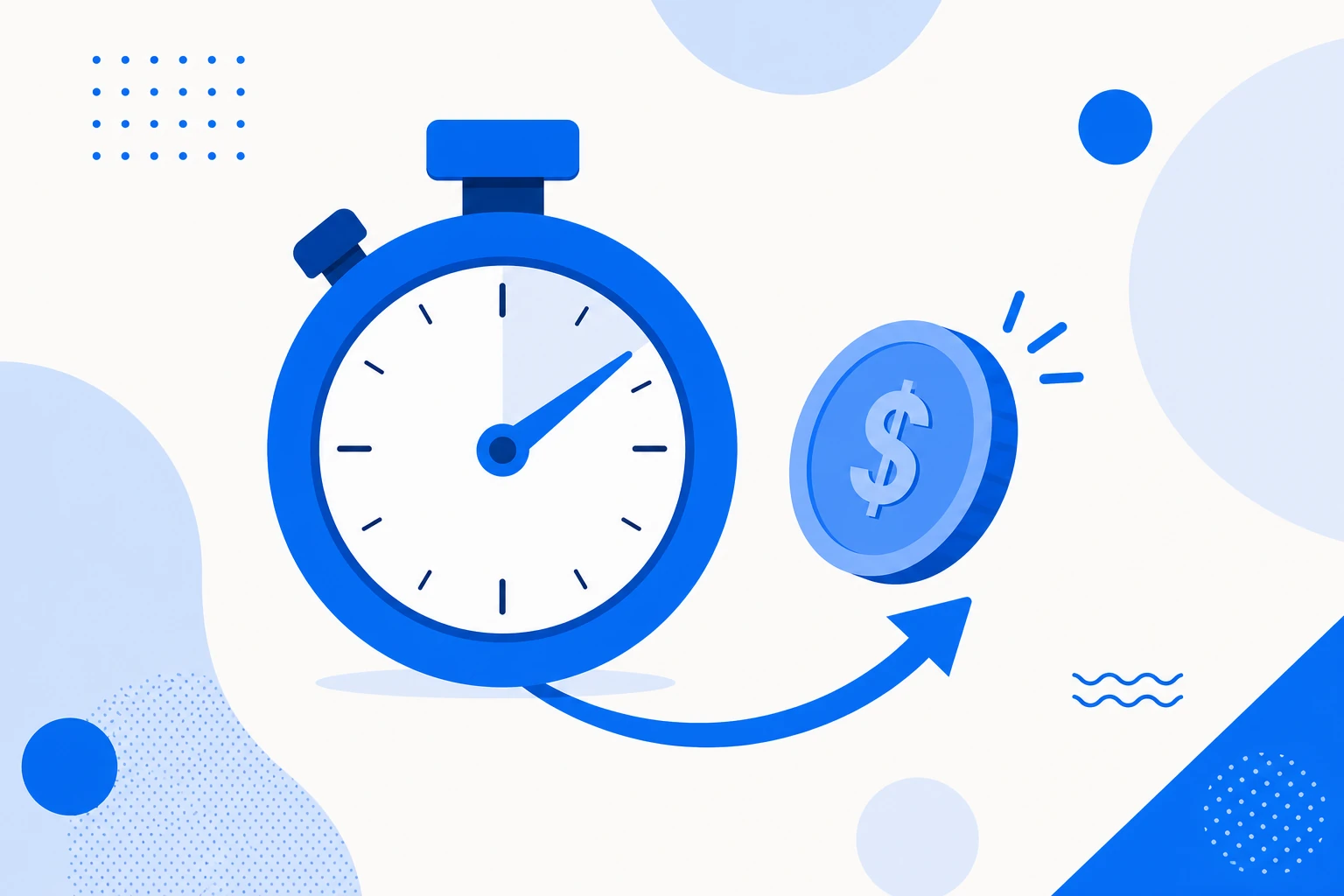
CAC payback is the time, in months, a customer takes to return the CAC in recurring margin. Divide the CAC by the monthly gross margin each customer generates (recurring revenue per customer times gross margin). It is the metric that shows how fast the acquisition investment comes back to cash.
Churn
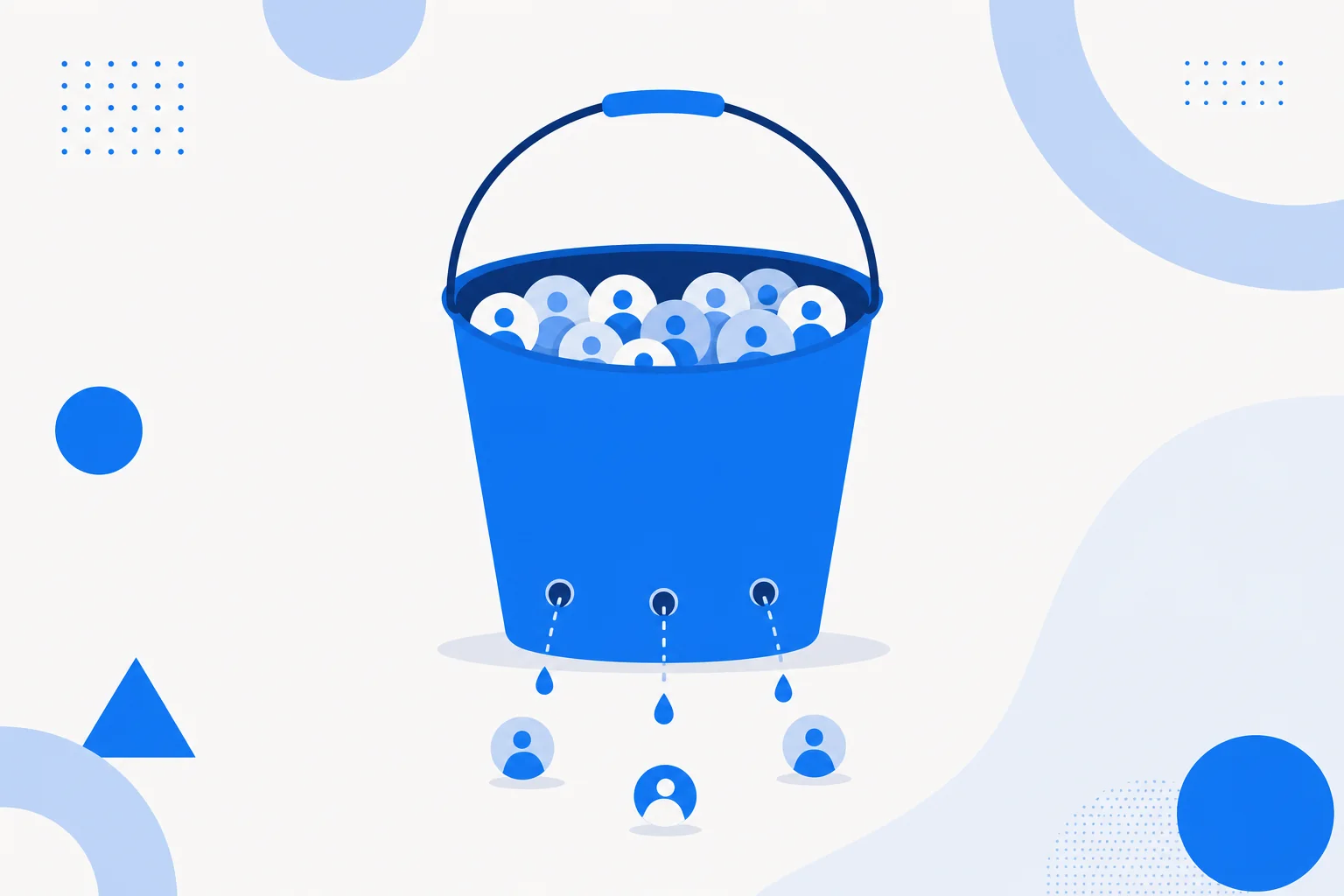
Churn is the loss of customers or revenue in a period. In a SaaS, it measures how many customers cancel (customer churn) or how much recurring revenue disappears (revenue churn). It is the metric that reveals whether growth is sustainable: the higher the churn, the more new sales you need just to avoid shrinking.