
Product-led growth (PLG): what it is and how the strategy works
By Tiago Costa · Updated on July 9, 2026
Definition
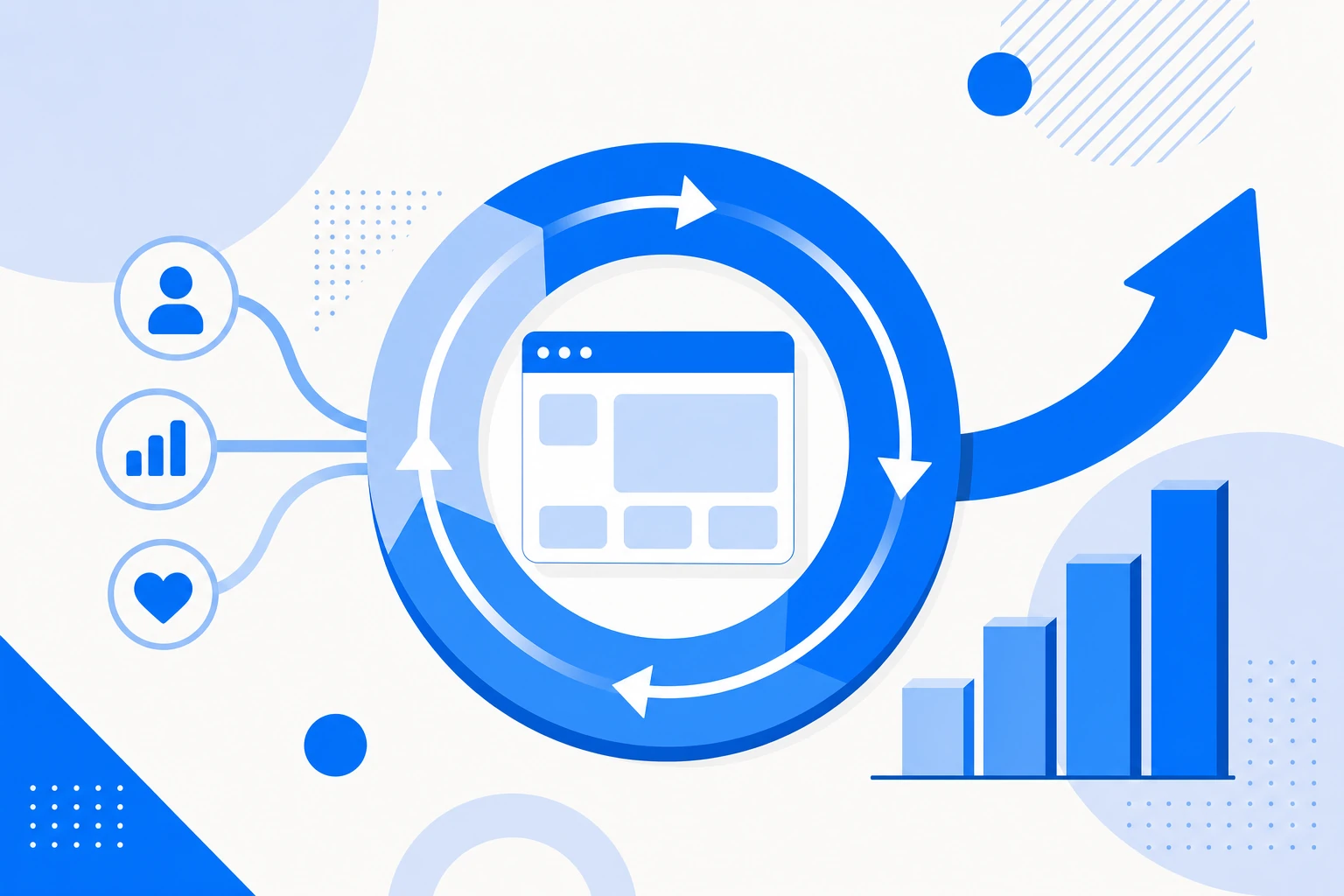
Product-led growth (PLG) is the strategy in which the product itself drives acquisition, activation, conversion and expansion, with little or no sales touch.
- The doors in are the free trial and freemium.
- The buying signal is usage, measured by the PQL, not the form.
- It contrasts with sales-led growth, driven by a sales team.
What product-led growth is
Product-led growth, or PLG, is the strategy in which the product itself is the main engine of growth. Instead of a salesperson guiding the customer from first contact to purchase, it is the experience of using the software that does that job: the person signs up on their own, starts getting value within minutes, and only then decides to pay. Marketing and sales still exist, but they support the product rather than the other way around.
The term was popularized by OpenView and has become the backbone of much of modern self-serve SaaS. The logic is simple: when a product delivers value fast and is easy to adopt, it becomes its own best acquisition channel, its own best sales pitch, and the best reason for a customer to stay and spend more.
How the product drives the whole funnel
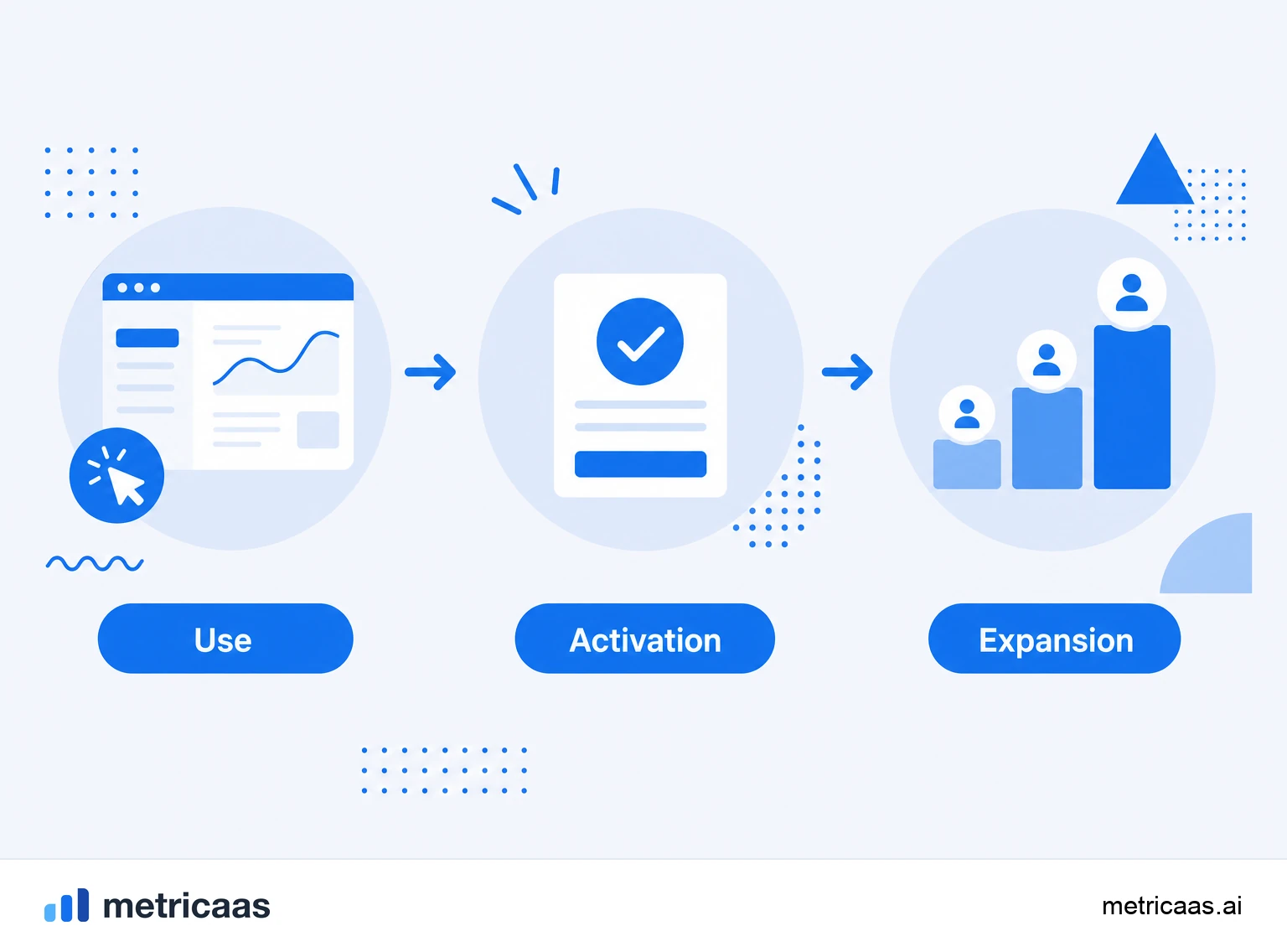
In PLG, the four classic funnel stages stop depending on people and start happening inside the software. The product owns acquisition, activation, conversion and expansion end to end.
- Acquisition: usage itself generates growth, through invites, sharing or plain word of mouth from people who tried it and liked it.
- Activation: onboarding takes the user to their first moment of value with no training required, something the activation rate measures directly.
- Conversion: the user hits a limit, needs more, and upgrades on their own, without waiting for a commercial proposal.
- Expansion: more seats, more usage and new modules come in organically as the customer team grows inside the tool.
This is the so-called self-serve motion: the path by which the customer serves themselves. The smoother it is, the less the company depends on hiring salespeople to grow, and the cheaper acquisition becomes.
Free trial and freemium: the doors in
If the product has to sell itself, it first has to let the person in. The two classic PLG doors are the free trial and freemium.
- Free trial: full access for a limited time. The deadline creates urgency that pushes the user to experience the full value before the clock runs out, and trial-to-paid conversion measures how many become paying customers.
- Freemium: a free-forever plan with usage or feature limits. The person stays on free as long as they want and converts when they hit a ceiling, a move tracked by freemium conversion.
Neither is free for the company: serving a user for free has a cost. That is why the design of the door matters so much. A trial that is too short never lets the value show; a freemium that is too generous never gives a reason to pay. The sweet spot is to offer real value for free and reserve for the paid plan exactly what the most engaged customer will want.
The PQL: the buying signal of PLG
In the traditional model, the signal that someone is ready to buy is behavioral and outside the product: they downloaded an asset, requested a demo, filled in a form. In PLG that signal moves. It now comes from inside the software, from usage itself, and it gets a name: the Product Qualified Lead (PQL).
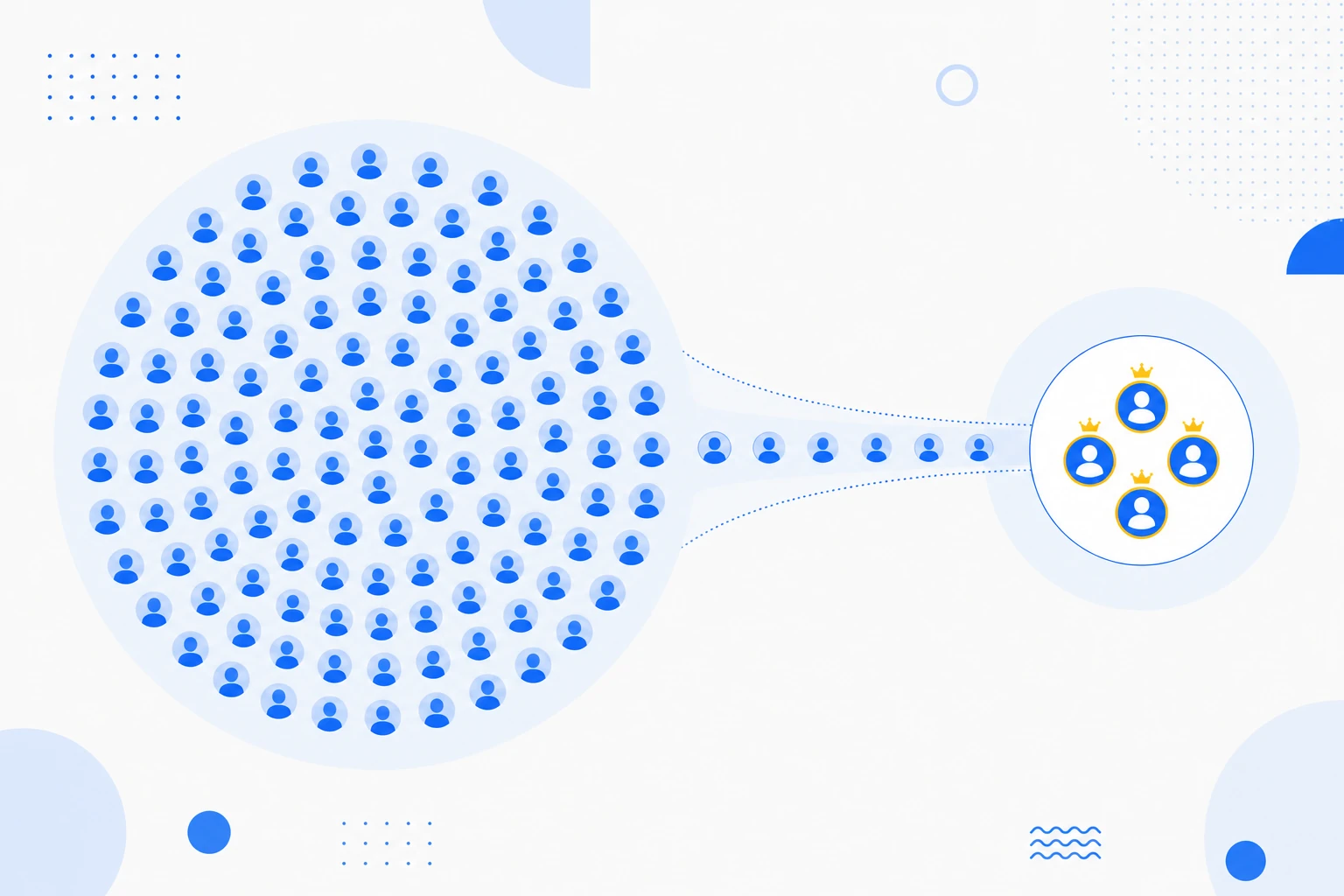
A PQL is the user who has already tried the product and shown, through behavior, a strong likelihood of paying. They invited teammates, hit a free-plan limit, used the core feature several times: these are usage triggers worth more than any survey answer. Instead of sales chasing cold leads, the team focuses on the people the product has already warmed up, which makes each conversation more efficient and each deal more likely.
PLG vs sales-led growth: when to use each
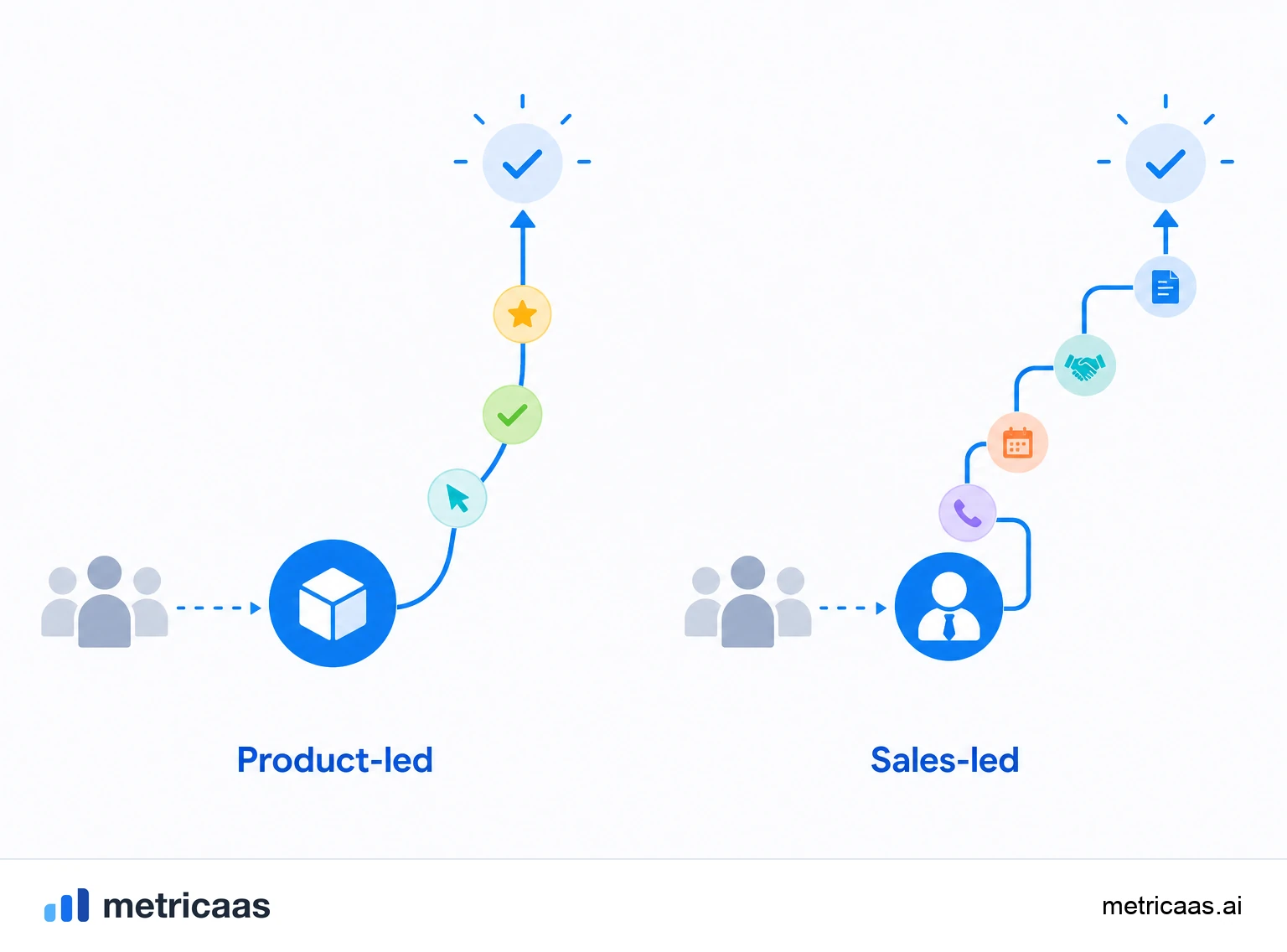
The opposite of PLG is sales-led growth (SLG), where a sales team guides the customer from first contact to close, usually with demos, proposals and negotiation. No model is better in the absolute; there is the model that fits the product, the price and the buyer.
- PLG shines when value shows up fast, the product is simple to adopt alone, and the individual ticket is low enough for a decision without a meeting.
- Sales-led makes more sense for complex sales, high contracts, many decision makers and a need for customization, where a person has to run the process.
In practice, many companies combine both. The product attracts, activates and converts the base on its own, and sales steps in only when a PQL becomes a large account with room to expand across the whole team. This is called product-led sales: the product opens the door, sales closes the big account.
Where PLG works and where it does not
PLG succeeded at scale because software became easy to distribute and to try. According to Gartner, worldwide public cloud spending is set to top $700 billion in 2025, and much of that money flows through products anyone can start using on their own. Investors such as Bessemer have for years pointed to self-serve as one of the most efficient paths to grow.
But the model has limits. It does not work well when value takes a long time to appear, when implementation requires heavy integration, when the purchase involves many approvers, or when the sector demands a contract and negotiation. And even where it works, PLG only holds up with retention: it is pointless for the door to keep spinning if the customer leaves soon after entering. The private SaaS survey by KeyBanc Capital Markets shows net revenue retention above 100% at the healthiest companies, a sign that expansion within the base, not just new sign-ups, is what makes PLG really pay off.
Frequently asked questions
It is the strategy in which the product itself drives acquisition, activation, conversion and expansion, with little or no sales touch. The user enters through a free trial or freemium, feels the value on their own and becomes a paying customer.
They are products where you sign up, start using and get value without talking to a salesperson, such as collaboration, communication and design tools you adopt for free and pay for as your team grows or when you hit a limit.
In PLG the product drives the funnel and the customer serves themselves; in sales-led a sales team guides from first contact to close. PLG shines with low tickets and fast value; sales-led, with complex sales and high contracts.
They are the doors in. A free trial gives full access for a limited time, with deadline urgency; freemium is a free-forever plan with limits. Both let the user feel the value before deciding to pay.
PQL is the Product Qualified Lead, the user who through usage has shown a strong likelihood of buying: invited teammates, hit a limit, used the core feature repeatedly. It is the buying signal of PLG, more reliable than a filled-in form.
Not always. The product attracts, activates and converts the base on its own, but sales steps in when a PQL becomes a large account with room to expand across the whole team. Many companies combine both in a product-led sales model.
Related concepts
Product Qualified Lead (PQL)
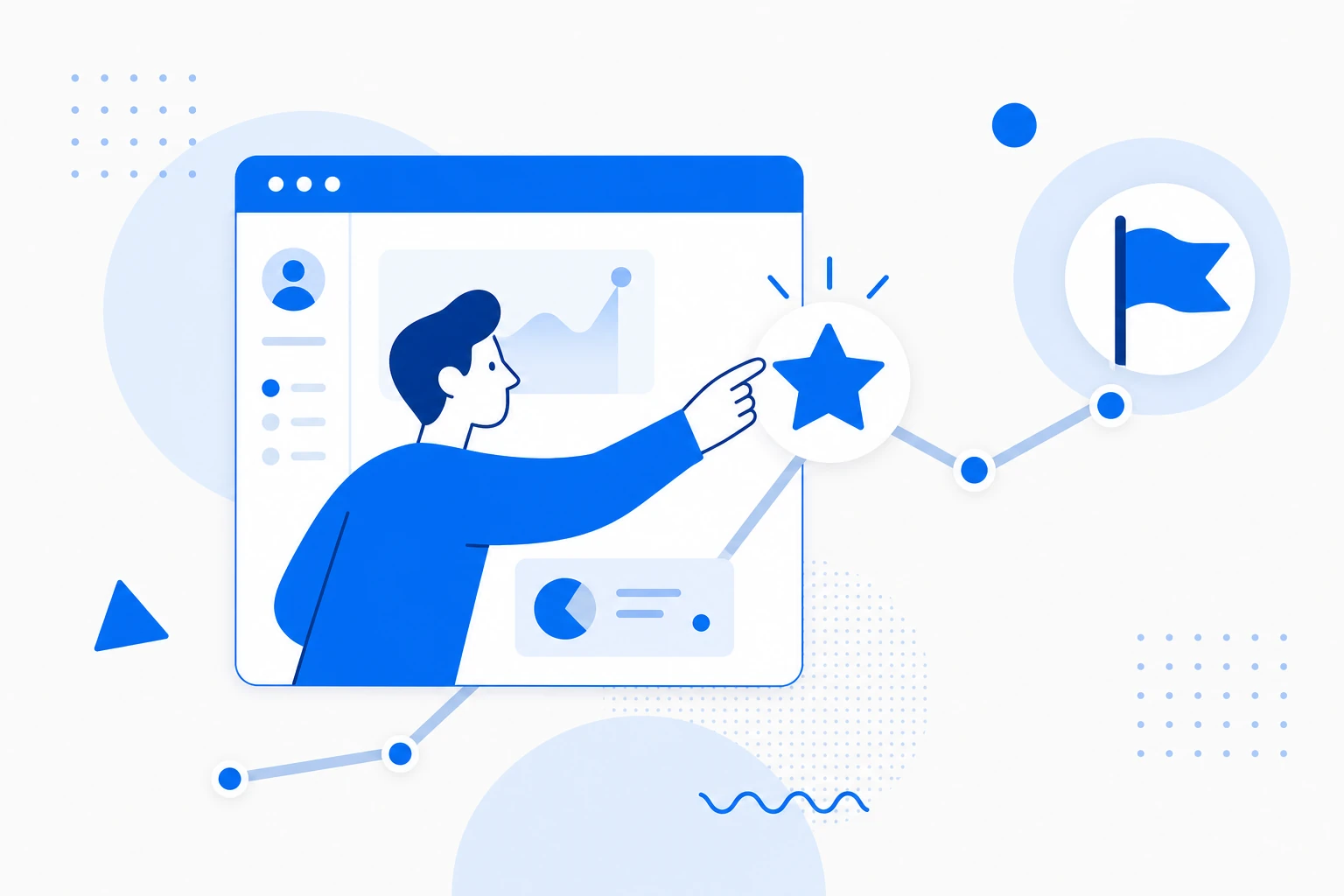
A Product Qualified Lead (PQL) is a lead qualified by product usage itself, not by marketing or sales. It is someone who reached a value milestone inside the tool, such as activating a core feature or hitting a usage limit, signaling real buying intent. It is the native lead of product-led growth and tends to convert far more than a lead qualified by profile alone.
Trial-to-paid conversion
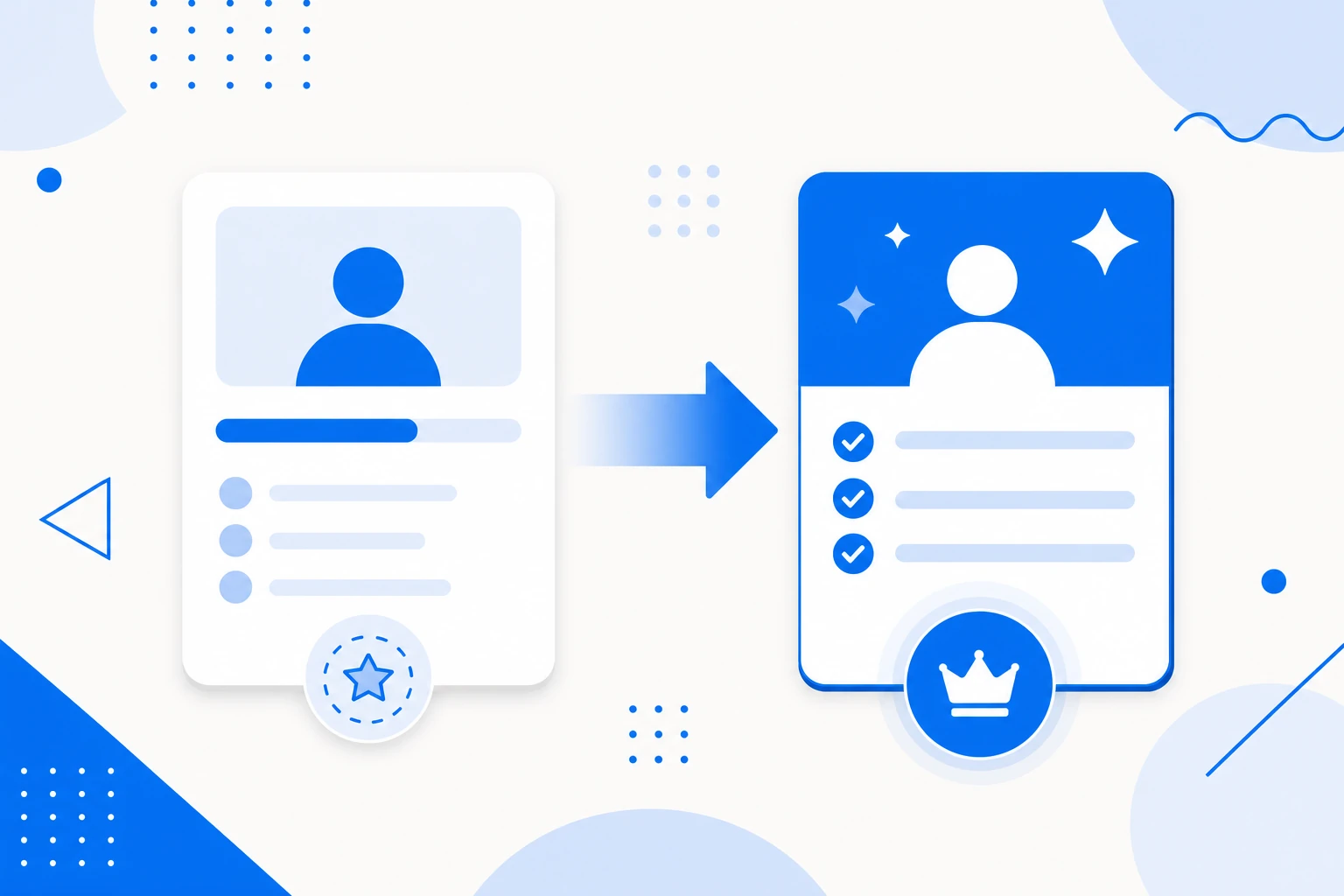
Trial-to-paid conversion is the share of free trials that become paying customers: paid conversions divided by trials started. It is the central metric of self-serve products and it varies widely depending on whether the trial requires a card (opt-out, roughly 40% to 60%) or not (opt-in, roughly 10% to 25%). Activation during the trial is the strongest predictor of who converts.
Freemium conversion
Freemium conversion is the percentage of users on a permanent free plan who become paying customers. It tends to be low, typically between 2% and 5%, because free attracts many people with no intent to pay. The model pays off on volume and expansion, not on a high rate.