
Retention and churn
How much of your customer base and revenue you keep over time.
13 terms

Churn
Churn is the loss of customers or revenue in a period. In a SaaS, it measures how many customers cancel (customer churn) or how much recurring revenue disappears (revenue churn). It is the metric that reveals whether growth is sustainable: the higher the churn, the more new sales you need just to avoid shrinking.

Net Revenue Retention (NRR)
Net Revenue Retention (NRR) measures how much of the recurring revenue from your current base you keep over time, already accounting for upgrades and expansion, minus downgrades and cancellations. Above 100% it means the base grows on its own, even without new customers.

Gross Revenue Retention (GRR)
Gross Revenue Retention (GRR) measures how much of the recurring revenue from your current base you keep over time counting only the losses, contraction and cancellations, and ignoring any expansion. That is why it never goes above 100%: it shows the pure leakage of the base.

Revenue retention
Revenue retention is how much of the recurring revenue from an existing customer base keeps coming in over time, without counting new sales. It is an umbrella measured two ways: gross (GRR), which counts only losses from churn and downgrades, and net (NRR), which adds expansion from within the base. Unlike customer retention, which counts logos, here what matters is the revenue in money.

Gross MRR churn
Gross MRR churn is the percentage of recurring MRR a company loses to cancellations and downgrades in a period, with no expansion subtracted. It is always positive and never exceeds 100%, because it measures only the revenue leaking out of the existing base. It works as the worst case of retention: how much the company would lose if it recovered nothing in return.

Net MRR churn
Net MRR churn is the recurring revenue lost to cancellations and downgrades, minus the expansion generated by the same base in the same period, all over the MRR at the start of the period. Unlike gross churn, it subtracts expansion, so it can go negative when the customers who stay grow more than the ones who leave, what is called negative churn.

Customer churn
Customer churn (or logo churn) is the percentage of customers or accounts that cancel in a period, counted by number of logos rather than by revenue. It tells you how many companies you lost, regardless of how much each one paid. It differs from revenue churn when those who cancel pay above or below your average deal.

Retention rate
The retention rate is the percentage of customers or revenue that stays active at the end of a period. It is the direct complement of churn: if the annual customer churn rate is 8%, customer retention is 92%. It measures the loyalty of the base and helps forecast future recurring revenue.

Logo retention
Logo retention is the percentage of accounts (logos) a SaaS company keeps over a period, without looking at how much each one pays. It is the mirror of customer churn: it counts heads, not revenue. That is why it can diverge sharply from revenue retention when a few large customers concentrate the MRR.

Voluntary churn
Voluntary churn happens when a customer actively decides to cancel the subscription, driven by price, low perceived value, a change of need or competition. It is the opposite of involuntary churn, which comes from payment failures. You fight it with activation, delivered value and product, not with billing.
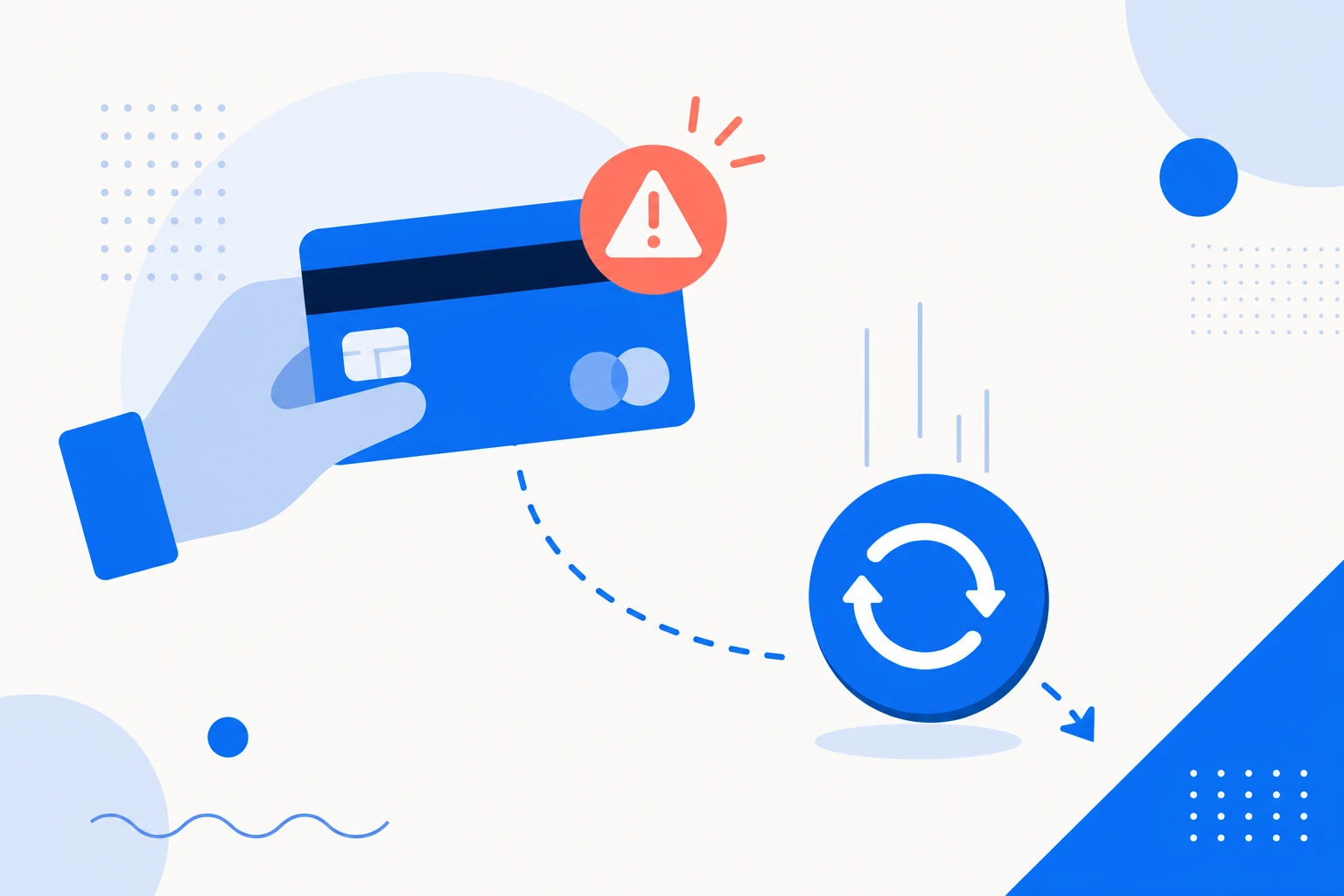
Involuntary churn
Involuntary churn is the cancellation of a subscription caused by a payment failure, such as a declined, expired or maxed-out card, rather than a customer decision. It usually accounts for a meaningful slice of total churn and is highly recoverable with dunning, that is, payment retries and requests to update the card.

Customer health score
A customer health score is a composite score that estimates the health and risk of each customer by combining signals of product usage, engagement, support and payment. It exists to act before churn and to prioritize the accounts with the most value at risk. It is not a magic number, but a method to turn scattered signals into a single, actionable reading.

Customer lifetime
Customer lifetime is the average time a customer stays active and paying for a SaaS. It is estimated simply as 1 divided by the churn rate: with 2% monthly churn, the average lifetime lands around 50 months. It is the base of LTV, because the longer a customer stays, the more revenue they generate before they cancel.